 French · Sauces & Condiments
🧈 Sauce Béarnaise (Tarragon Butter Sauce)
Sauce béarnaise
A shallot, vinegar, white wine and tarragon reduction whisked with egg yolks over low heat, then finished with warm clarified butter and fresh herbs.
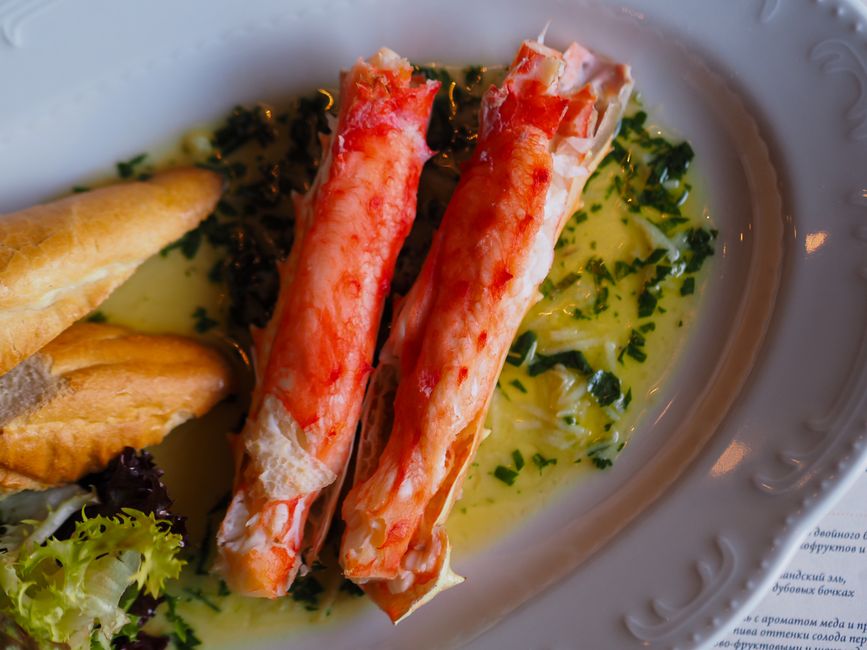
Shallots are softened, then reduced with white wine vinegar, white wine, tarragon stalks and crushed peppercorns for about 10 minutes until about 2-3 tablespoons remain. The yolks are whisked in over low heat until mousse-like, with the pan cool enough to touch, and warm clarified butter is added gradually until the sauce thickens, then tarragon, chervil and parsley go in.
Ingredients
Equipment: Small saucepan, Whisk, Heavy pan for melting butter
- 3-4 small shallots chopped finely
- 50 ml (2floz/ ¼ cup) white wine vinegar
- 100 ml (3.5floz/ ⅖ cup) white wine
- 3 branches fresh tarragon stalks separated from leaves (chopped)
- 1 teaspoon black peppercorns crushed
- 3 egg yolks organic
- 125 g (4.5oz/ ½ cup) unsalted butter clarified (gently melted and separated from milk proteins)
- pinch fleur de sel salt (or Maldon, Celtic sea salt)
- 1 tablespoon fresh chervil finely chopped
- ½ tablespoon fresh parsley (flat-leaf) optional
Method
- Soften the shallots in a little butter over medium heat until translucent.
- Add the vinegar, wine, tarragon stalks and crushed pepper, bring to the boil, then lower the heat and let it reduce for about 10 minutes until about 2-3 tablespoons remain. Strain if you like.
- Optional: melt the butter gently over low heat until the creamy milky proteins rest at the bottom of the pan; pour off the golden butter and leave the milky part behind.
- Over low heat, add the yolks to the reduction and whisk constantly until mousse-like and slightly thickened. The pan must never get too hot: you should be able to touch it with a bare hand. Take it off the heat.
- Whisking, add the warm clarified butter gradually until the sauce is thickened. Stir in the tarragon, chervil and parsley and season with salt.
Chef Tips
- Cues: shallots translucent; reduced to about 2-3 tablespoons; yolks mousse-like and slightly thickened; pan touchable with a bare hand. NO TEMPERATURE is printed for the yolk step.
- No raw-egg safety statement printed on the page. The only food-safety remark is that the pan must stay touchable because the eggs should not be cooked.
- The butter used to sauté the shallots has no quantity on the page.
- One pass only: hold the sauce at room temperature off the heat and reheat by whisking over a very gentle heat. No storage days are printed.
Common Mistakes to Avoid
- Letting the pan get too hot while whisking the yolks, which cooks the eggs; the page says you should be able to touch the pan (our note).
Nutrition (per serving)
Health Benefits
- Shallots, tarragon and chervil add fresh herb aroma.
- Egg yolk and butter make it a rich sauce, best in small spoonfuls.
Cultural Note
The page says the sauce was "Created in the 1830s near Paris, in Saint-Germain-en-Laye."
Storage & Serving
Storage: No storage guidance printed beyond keeping it at room temperature off the heat (one pass only).
Reheating: Reheat by whisking over a very gentle heat (one pass of the page).
Serve with: Grilled steak, Roast chicken, Steamed asparagus
Adapted From
- Adapted from "Authentic recipe for the classic French Sauce Béarnaise", Mad About Macarons. BYLINE AS PRINTED: "Jill Colonna". Date as printed: none printed. 6 servings; prep 15 minutes; cook 20 minutes; total 35 minutes. Author background, printed on another page of the same site: "I'm Jill Colonna, a Scottish-French author and home cook, living and cooking in Paris for 30+ years." URL: https://www.madaboutmacarons.com/wprm_print/bearnaise-sauce
- SOURCING STATUS: TWO-PASS (the holding and reheating remark is single-pass), ingredient lines as relayed by a research tool and to be checked against the live page; method wording is our own summary; servings, prep/cook split and nutrition are our own estimates unless the page prints them.
- FLAG: no raw-egg or pasteurised-egg statement is printed. The page attributes the sauce to "Created in the 1830s near Paris, in Saint-Germain-en-Laye."