 Ghanaian · Soups & Stews
🥬 Ebunuebunu
Abunuabunu — ebunu ebunu, green green
Green green — cocoyam leaves blended with a teaspoon of groundnut paste, six cups of water, smoked fish and prekese.
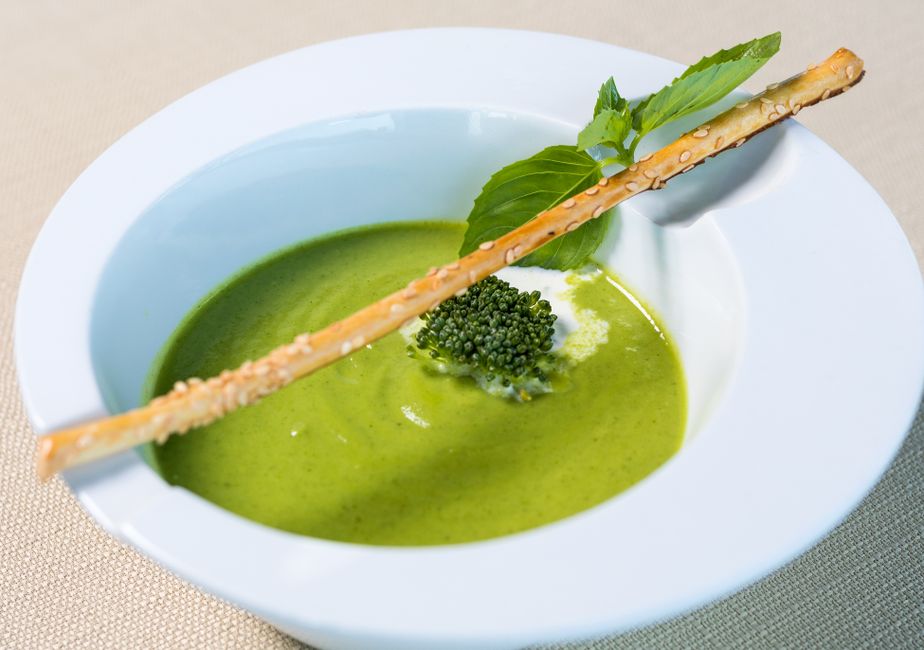
Ebunuebunu means green green, and it is the Akan soup that fufu is eaten with when neither groundnut nor palm nut is wanted. Four cups of spinach or cocoyam leaves are cooked five minutes until soft, drained and blended with a single teaspoon of groundnut paste — just enough to bind, not enough to make it a groundnut soup. The meat is steamed, the blended aromatics and tomatoes cooked ten minutes, then the greens and six cups of water go in with the blended tomato and onion returned. Smoked fish for twenty minutes, prekese for five.
Ingredients
Equipment: Large pot, Blender, Colander
- 4 cups spinach or cocoyam leaves
- Choice of meat
- Dried or smoked fish
- Dried or smoked mackerel
- 2 medium tomatoes
- 2 medium onions
- 3 peppers
- 2 cloves garlic
- Ginger
- 1 tsp peanut butter or groundnut paste
- 6 cups water
- Prekese
- Salt
- Seasoning
Method
- Cook the greens 5 minutes, until soft.
- Steam the meat.
- Blend the ginger, garlic and peppers; add with the tomatoes and onions and cook 10 minutes.
- Drain the greens and blend them with the peanut butter.
- Add the blended greens with 6 cups of water.
- Blend the cooked onions and tomatoes and return them to the pot.
- Add the smoked fish and cook 20 minutes.
- Add the prekese and cook 5 minutes more, then taste and serve.
Chef Tips
- One teaspoon of groundnut paste for the whole pot. It binds the blended greens so they do not separate — it is structural, not a flavour, and more would make this a different soup.
- Five minutes on the greens and no longer. The name is green green, and overcooked cocoyam leaves go olive-grey.
- Blend the greens AFTER draining them. Blending with the cooking water gives a thin, watery soup.
- Prekese goes in last, for five minutes. It is the aromatic finish and prolonged boiling flattens it.
- Cocoyam leaves are the authentic green and spinach is the accepted substitute — the author offers both. Cocoyam leaves need longer than spinach, so judge by softness.
- The remove-blend-return move for the onions and tomatoes is the same technique the light soups use, and it is what keeps the soup smooth without frying anything.
- Only the greens, tomatoes, onions, garlic, peppers and groundnut paste carry quantities in the source. The meat, fish, ginger and prekese do not, and no figures have been invented for them.
Common Mistakes to Avoid
- Overcooking the greens so the colour dulls.
- Blending the greens in their cooking water.
- Using a tablespoon of groundnut paste instead of a teaspoon.
- Boiling the prekese for a long time.
- Adding the smoked fish at the very end rather than giving it twenty minutes.
Nutrition (per serving)
Health Benefits
- Cocoyam leaves are very high in vitamin A, vitamin C, iron and calcium.
- Low in carbohydrate and fat for a West African soup.
- Smoked fish supplies omega-3 fats, protein and iodine.
- Prekese has documented antimicrobial and anti-inflammatory activity.
Cultural Note
Green green is one of the better dish names in West Africa and it is also a precise instruction: if the soup is not vividly green you have cooked the leaves too long. It sits alongside groundnut and palm nut soup as the third of the three things fufu is properly eaten with, and it is the lightest of them.
Storage & Serving
Storage: 3 days refrigerated. The colour darkens.
Reheating: Gentle heat. Do not boil, or the green dulls further.
Adapted From
- Adapted from 'Preparing One Of Ghana's Favorite Soup, Ebunu Ebunu', byline as printed 'By Catherine Forson Agbo', modernghana.com, Friday 8 February 2019.
- THE NAME AND COMMUNITY, verbatim from that source: 'This soup is related with the Akan clan from Ghana and is popularly called Ebunu Ebunu which literally means green green.'
- Ingredients exactly as printed: Choice of meat; Dried/smoked fish; Dried/smoked mackerel; Ginger; 3 peppers; 2 medium tomatoes; 2 medium onions; 2 cloves garlic; 4 cups spinach/cocoyam leaves; 1 teaspoon peanut butter or groundnut paste; Prekese; Salt; Maggie seasoning. NOTE that the meat, both fish items, the ginger and the prekese carry NO quantities.
- Method as printed, in eleven steps: cook the greens 5 minutes until soft; steam the meat; add the blended mix plus tomatoes and onions and cook 10 minutes; blend the drained greens with the peanut butter; add with 6 cups water; return the blended onions and tomatoes; add the smoked fish and cook 20 minutes; add prekese and cook 5 minutes.
- DONENESS CUES: none beyond the times and 'taste'. No sensory endpoint is given.
- A SECOND DOCUMENTED VERSION, with a site-name byline and an incomplete method: 'Recipe: Ebunuebunu Soup With Snails', modernghana.com, Monday 6 November 2017, byline as printed 'By Naaoyooquartey.com' — a site name, not a person. Its ingredients: 2 Bunches of Nkontonmire; Dry River fish (Faan loo); 4 large tomatoes; 2 medium sized onions; Chilli pepper aka Kpakposhito (as much as you desire); 4 Giant African Snails; Goat meat; 1 Tablespoonful of Lemon Juice; Salt; Maggie cube. Its method stops partway and gives NO total time, NO water volume and NO doneness cue, so it is not published as a recipe. Two things from it are worth preserving. On the goat, verbatim: steam it 'well as you know how tough our Billy and Nanny goats are'. On the fish, verbatim: 'Add the dry river fish so it cooks with the soup and take it out for later. This I find helps prevent the fish from dismantling' — a genuinely useful technique. Its snail-cleaning method is also quoted there: 'Boil the snails in the shell. Pry them from the shell... Sprinkle a generous amount of salt over them and work it through with your hand for about 2 minutes. Wash under cold water and pour the lemon juice over it.' It also notes that river fish tends to have 'grains of sand stuck inside its gills and abdomen'.
- A BRANDED VERSION, recorded and not published: the Tasty Tom Cookbook (Olam Group) has 'Ntohuro/Green Leaf Soup' at pages 14-15, serves 4-5, built on 8 tablespoons of its own tomato product, with 2 bunches cocoyam leaves, 300g snails, 400g toolo beef, 2kg cubed cocoyam, 250g each dried and smoked fish, 200g mushrooms, 3g clove and prekese. Its cues are 'Blanch… for 3 mins or when softened' and later 'at least 20 minutes'. It is a corporate brand cookbook with no individual author, and WHETHER 'NTOHURO' IS THE SAME SOUP AS ABUNUABUNU IS NOT STATED BY THE SOURCE — so it is not merged with this entry.
- A DECLARED HYBRID, not published as traditional: Afia Amoako, 'Vegan NkanteKonto Soup (Green Peanut Soup)', eatwithafia.com, byline 'Afia Amoako', 15 May 2022, modified 12 February 2026, 8 servings. She describes it herself as a hybrid of groundnut soup and ebunu ebunu with a mushroom base and tofu.
- A REGIONAL CLAIM THAT COULD NOT BE CONFIRMED: Wikipedia's Abunuabunu article attributes the soup to the Brong Ahafo region and the Bono people and cites Pulse.com.gh (2016), Naa Oyoo Quartey (2015) and AfroTide (2018). None of those originals could be retrieved, and THE BONO ATTRIBUTION IS NOT CONFIRMED by any source consulted. The Akan attribution above rests on Agbo's own statement, which is broader.
- ON PREKESE: Tetrapleura tetraptera, the four-winged fruit used as an aromatic across southern Ghana. No source consulted quantifies it in this soup.