 Indian · Sauces & Condiments
🧈 Ghee (Clarified Butter, Made from Butter)
Ghee
Unsalted, preferably cultured butter simmered gently until the milk solids settle and brown, then strained into a clean heat-proof glass jar.
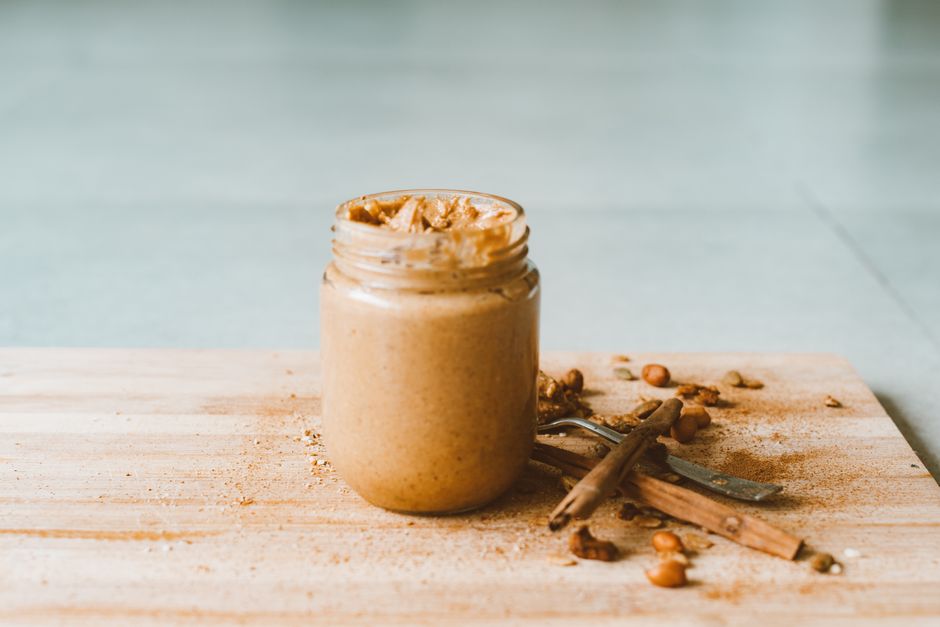
500 g of chopped butter melts on medium-low to medium heat, then simmers on the lowest setting. About a minute after it has fully melted you hear sounds from the bottom and see milk solids rise; the surface clears and large bubbles form. The ghee is removed from the heat, darkens, and is strained into a glass jar.
Ingredients
Equipment: Heavy-bottomed pan, Fine strainer or cheesecloth, Heat-proof (tempered) glass jar, Clean dry spoon
- 500 grams butter – unsalted, preferably cultured
Method
- Chop the butter roughly, place it in the pan and heat on medium-low to medium heat.
- When it has melted, reduce the heat to the lowest setting and simmer gently.
- About a minute or so after all the butter has melted you will hear sounds from the bottom of the pan and see milk solids appear on the surface; the butter goes from pale yellow to light golden, bubbles and shimmers.
- Keep simmering a couple of minutes after the milk solids have settled and the surface starts to look clearer.
- Simmer 1 to 2 minutes more, until medium to large bubbles form on top, then remove from the heat.
- Let a layer of fine tiny bubbles form as the ghee darkens and browned bits settle at the bottom, then strain through a fine strainer or cheesecloth into a glass jar.
Chef Tips
- Cues: sounds and milk solids about a minute after melting; light golden with bubbles; surface clearer; medium to large bubbles on top; fine tiny bubbles at the end; browned bits at the bottom. No degree temperature is printed.
- Printed warning: "Ghee can go from caramelized to burnt in a flash!" The bubbling and frothing is due to the water present in the butter.
- Printed safety statements: use heat-proof jars, as hot ghee "can shatter glass that isn't tempered"; always use a clean dry spoon "so that you don't end up contaminating it"; "Close tightly when the ghee cools. Store in a cool dry place."
- The page claims straining removes lactose and casein; that is the author's claim and is not verified here.
Common Mistakes to Avoid
- Walking away at the end; ghee can go from caramelized to burnt in a flash, per the page.
- Pouring hot ghee into a jar that is not heat-proof, which can shatter, per the page.
Nutrition (per serving)
Health Benefits
- Ghee is milk fat with the water and most milk solids removed, and adds flavour to cooking.
Cultural Note
The author says ghee is used in havan/homam rituals and panchamrit, that cow's milk ghee is considered satvik for havan, and that bilona (hand-churned curd) is the Ayurvedic method; she also mentions a belief about making ghee on a full moon day ("I have also read").
Storage & Serving
Storage: "If stored well, ghee can last up to one year at room temperature." Keep in a clean, tightly closed jar in a cool dry place, use a clean dry spoon, and refrigerate in warmer climates. If it begins smelling "off", scrape away the top layer and refrigerate it (per the page).
Reheating: Not reheated; use as needed.
Serve with: Roti, Paratha, Lucknowi Biryani, Khichdi
Adapted From
- Adapted from "How to Make Ghee – A Complete Guide for Beginners", Veg Recipes of India. BYLINE AS PRINTED: "By Dassana Amit". Date as printed: Updated Jul 18, 2025, originally published on August 2021. 10 servings of 1 teaspoon each (page layout garbled; single reading); prep 5, cook 20, total 25 minutes. URL: https://www.vegrecipesofindia.com/ghee/
- SOURCING STATUS: TWO-PASS, ingredient lines as relayed by a research tool and to be checked against the live page; method wording is our own summary; servings (page layout garbled; we show 10 per the page, with nutrition for 1 teaspoon) and the prep/cook split (printed: prep 5, cook 20) and nutrition are our own estimates unless the page prints them.
- FLAG: the page prints safety statements (heat-proof jars, clean dry spoon, cool dry storage, "If stored well, ghee can last up to one year at room temperature"; "In warmer climates, refrigerate it"; "If the ghee begins smelling 'off,' scrape away the top layer and move it to the refrigerator for safer storage."). No temperature is printed.