 Japanese · Rice Dishes
🥚 Tamago Kake Gohan (Raw Egg on Rice)
Tamago kake gohan (TKG)
Piping-hot rice whipped with the egg white until it thickens, topped with the yolk and a splash of soy sauce.
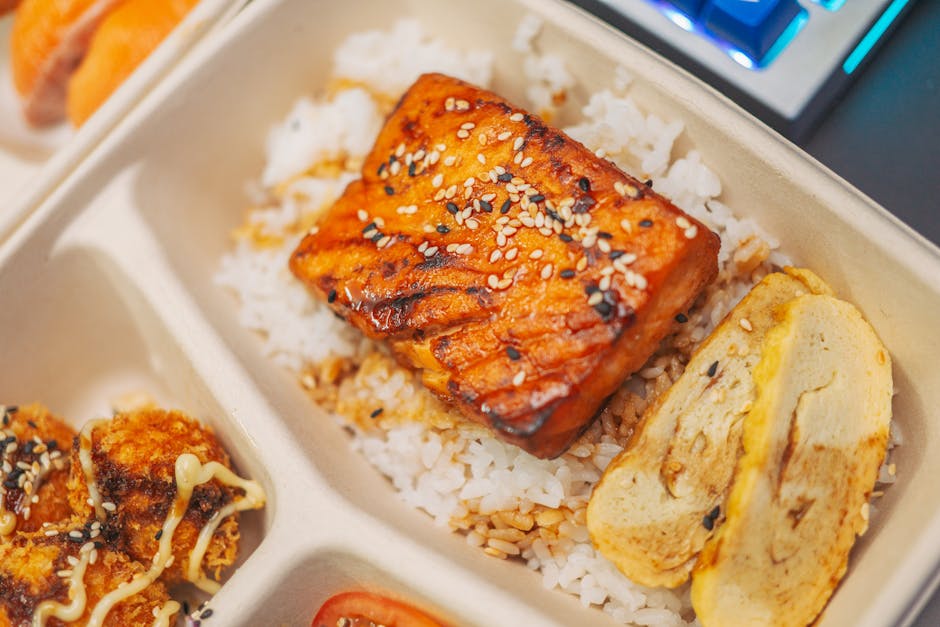
Hot rice goes into a deep bowl and is mixed with the egg white until it starts to thicken slightly. The yolk sits on top with soy sauce to taste. The page prints no times, and it carries a raw-egg safety caution.
Ingredients
Equipment: Deep bowl, Chopsticks
- 1 serving cooked Japanese short-grain rice
- 1 egg
- soy sauce (to taste)
Method
- Put piping-hot rice in a deep bowl and separate the yolk from the white.
- Mix the hot rice and the egg white together until it starts to thicken slightly; add more rice if it is too runny for your taste.
- Set the yolk on top and add soy sauce to taste.
Chef Tips
- No times are printed; the cue is that the white-and-rice mixture 'starts to thicken slightly'.
- Food safety, as printed on the main page: 'There is always a risk when eating raw or undercooked foods' and the author advises researching egg safety locally; he suggests pasteurized eggs or onsen tamago. His FAQ also says 'eating raw eggs in Japan is both safe and super common'. The print page carries no safety statement.
- DISAGREEMENT: Namiko Hirasawa Chen's 'Tamago Kake Gohan (TKG)' (Just One Cookbook, updated February 9, 2025) stirs the whole egg into the rice until it turns pale yellow, and states: 'Not every country follows the same guidelines, so it may be unsafe to eat raw eggs in your country.' She advises free-range local eggs, pasteurized eggs, or onsen tamago as a substitute. We follow Marc Matsumoto for the method.
Common Mistakes to Avoid
- Using lukewarm rice; the page asks for piping-hot rice.
- Eating raw egg without checking local egg safety, which both authors flag.
Nutrition (per serving)
Health Benefits
- Egg and rice give protein and energy.
Cultural Note
The page gives no cultural note beyond its FAQ comment that eating raw eggs in Japan is common. The other source, Namiko Hirasawa Chen, calls it a popular comfort breakfast said to originate in Misaki-cho, Okayama Prefecture.
Storage & Serving
Storage: No storage guidance printed; it is made to eat straight away.
Reheating: Not applicable; serve immediately.
Serve with: Miso soup, Pickles, Nori or natto toppings (named by the other source)
Adapted From
- Adapted from 'Tamago Kake Gohan (Raw Egg on Rice)', No Recipes (norecipes.com). BYLINE AS PRINTED: 'Marc Matsumoto'. Date as printed: Updated November 22, 2025.. Serves 1; prep 2 min. The site's About page calls him a Tokyo-based food writer and recipe developer. URL: https://norecipes.com/tamago-kake-gohan-egg-rice/ (print page https://norecipes.com/wprm_print/tamago-kake-gohan-raw-egg-on-rice)
- SOURCING STATUS: TWO-PASS, ingredient lines as relayed by a research tool and to be checked against the live page; method wording is our own summary; servings, prep/cook split and nutrition are our own estimates unless the page prints them.
- FLAG: raw egg. The page's own caution and the other source's statement are quoted in the chef tips; neither is ours. The page names no region, so community is 'Japanese home cooking'.