 Nigerian · Soups & Stews
🤍 Ofe Nsala
Ofe nsala — white soup
No palm oil at all, which is why it is white — thickened with four slices of boiled pounded yam stirred in until completely dissolved over eight to ten minutes.
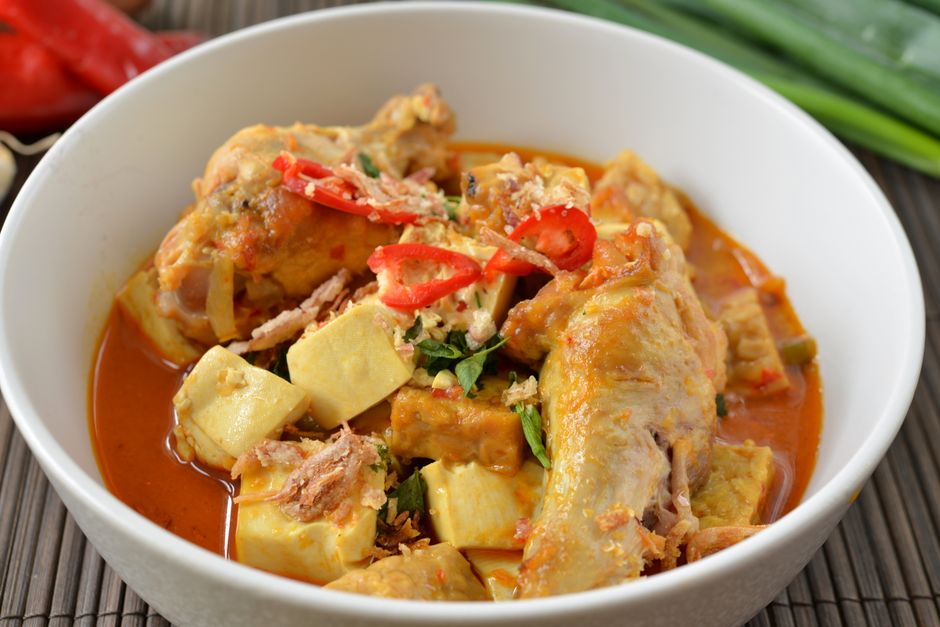
Ofe nsala is the white soup of Anambra, and the thing that defines it is an absence: there is no palm oil in it, which is why it reads pale rather than orange. The thickener is yam — four medium slices boiled and pounded, flattened and added in pieces, then stirred until completely dissolved, which takes eight to ten minutes. Traditionally it is made with catfish. The aromatics are the other half of the dish: uziza leaves, utazi or both, two calabash nutmeg seeds, an uda pod and a teaspoon of uziza seeds.
Ingredients
Equipment: Large pot, Mortar and pestle, Separate pot for the yam, Spice grinder
- 500 g assorted meat or chicken
- 1 medium fresh fish, catfish preferred
- 2-3 pieces stockfish (panla)
- 1 medium smoked fish
- 1 tbsp crayfish
- 2-3 tbsp dry ground pepper, or 3 fresh yellow atarodo
- 1 small chunk ogiri okpei or dawadawa
- 2-3 tbsp uziza leaves, or 1 tbsp utazi, or both
- 2 calabash nutmeg seeds (ehuru)
- 1 uda pod
- 1 tsp uziza seeds
- 4 medium slices of yam
- 2 bouillon cubes
- Salt to taste
Method
- Cook the stockfish and tougher meats until the stockfish is tender, topping up the water at least three times as it reduces.
- Separately boil the yam slices until soft, then pound them until smooth.
- Grind the ehuru, uda and uziza seeds together.
- Add the ground spices and the ogiri okpei to the pot and boil 2 minutes.
- Add the fresh and smoked fish and cook 7 to 10 minutes on low heat.
- Add the pounded yam in pieces and stir until the yam is completely dissolved — this should take 8 to 10 minutes.
- Rock the pot rather than stirring hard, so the fish does not break up.
- Add the utazi and uziza leaves.
- Take it off the heat and let it simmer 2 to 3 minutes on the residual heat.
Chef Tips
- No palm oil. That is the whole identity of the soup and adding any makes it a different dish.
- Eight to ten minutes of stirring to dissolve the yam. It will look lumpy for most of that and then suddenly come together.
- Flatten the pounded yam into pieces before adding it. Dropped in as a ball it takes far longer to dissolve.
- Rock the pot instead of stirring once the fish is in. Catfish disintegrates.
- Top the water up at least three times during the first stage. Stockfish takes a long time and drinks a lot.
- The three dried spices — ehuru, uda, uziza seed — are ground together and are not optional. They are what makes nsala taste of itself.
- If you cannot get fresh yam, the author offers achi, yam flour or cocoyam. Note that ofor is NOT among the alternatives she gives.
Common Mistakes to Avoid
- Adding palm oil.
- Stopping before the yam has fully dissolved.
- Stirring vigorously and breaking up the catfish.
- Letting the pot run dry during the stockfish stage.
- Skipping the ground spice trio.
Nutrition (per serving)
Health Benefits
- No palm oil, so much lower in fat than most Nigerian soups.
- Catfish supplies lean protein and omega-3 fats.
- Uda, ehuru and uziza are all traditionally used as digestives and post-partum tonics.
- Very low in carbohydrate for a thickened soup.
Cultural Note
Ofe nsala is traditionally given to women after childbirth, and the spice trio at its centre — uda, ehuru and uziza — is exactly the combination used in post-partum cooking across the southeast. It is also, by one named source's account, the quickest and easiest Igbo soup to prepare, which together with its reputation as restorative food explains why it turns up whenever someone is unwell or has just had a baby.
Storage & Serving
Storage: 4 days refrigerated, 3 months frozen.
Reheating: Low heat with a splash of water. The yam thickening tightens when cold.
Serve with: Iyan, Eba or garri, Akpu or fufu
Adapted From
- Adapted from 'Ofe Nsala – White Soup Recipe', byline Sisi Jemimah. Quantities as printed: 500gms Assorted Meat or Chicken; 1 Medium Size Fresh Fish (Catfish preferred); 2-3 Pieces Stockfish/Panla; 1 Medium Size Smoked fish; 1 Tablespoon Crayfish; 2-3 Tablespoons Dry Ground Pepper or 3 Fresh Yellow Atarodo; 1 Small Chunk Ogiri Okpei/Dawadawa; 2-3 Tablespoons Uziza Leaves OR 1 Tablespoon Utazi or Both; 2 Calabash Nutmeg seed (Ehuru); 1 Uda pod; 1 Teaspoon Uziza seeds; 4 Medium Slices of Yam; 2 Knorr Cubes; salt to taste.
- Times and cues as printed: cook the stockfish and tough meats 'till the Stockfish is tender', topping water 'at least 3 times'; yam boiled 'till soft'; spices and ogiri boil 2 minutes; fresh and smoked fish 'cook for 7-10 minutes' on low; the pounded yam stirred 'till the yam is completely dissolved, this should take 8-10 minutes'; rock the pot; then utazi and uziza; off heat, residual simmer '2-3 minutes'.
- Her headnote: the soup is 'peculiar to the Igbo tribe of Nigeria, especially the people of Anambra state' and is 'traditionally made with Catfish'.
- ON THE THICKENER, a question specifically investigated and ANSWERED: every source consulted thickens nsala with YAM and NOT ONE uses ofor. This recipe gives 4 medium slices of yam and offers 'Achi, yam flour or Cocoyam' as alternatives — ofor is not among them. All Nigerian Recipes gives 8 small pieces of white yam and mentions no alternative thickener at all. 1Q Food Platter's Efik afia efere, the same soup family, uses pounded yam, 'a medium slice'.
- BUT OFOR IS A REAL IGBO THICKENER — just not for nsala. It appears twice in the sources consulted, both times for other soups: Sisi Jemimah's ofe oha offers 'achi or ofor' as alternatives, and 1Q Food Platter's ofe onugbu notes that 'some people add some ofo or achi…to further thicken the soup when Cocoyam is not enough'. So ofor belongs to the oha and onugbu cocoyam-soup family rather than to nsala. That is a cleaner finding than 'no source used ofor' because it explains why.
- GAP: ofor, achi, ukpo and akprata are functionally different thickeners — some draw, some merely bind, some must be added off the boil — and no source consulted explains which is which. A Michael Okpara University of Agriculture Umudike repository entry on the nutritional value and shelf-life of achi, ukpo, akprata and ofor was located but not retrieved, and is the best route into that gap.