 Ugandan · Traditional Breakfasts
🍲 Classic Matooke Katogo
Katogo
Peeled green bananas boiled in a base of onion and ten tomatoes cooked down to a paste, with enough water to almost cover them — the breakfast that defines Uganda, and the one form of matooke anybody has bothered to measure.
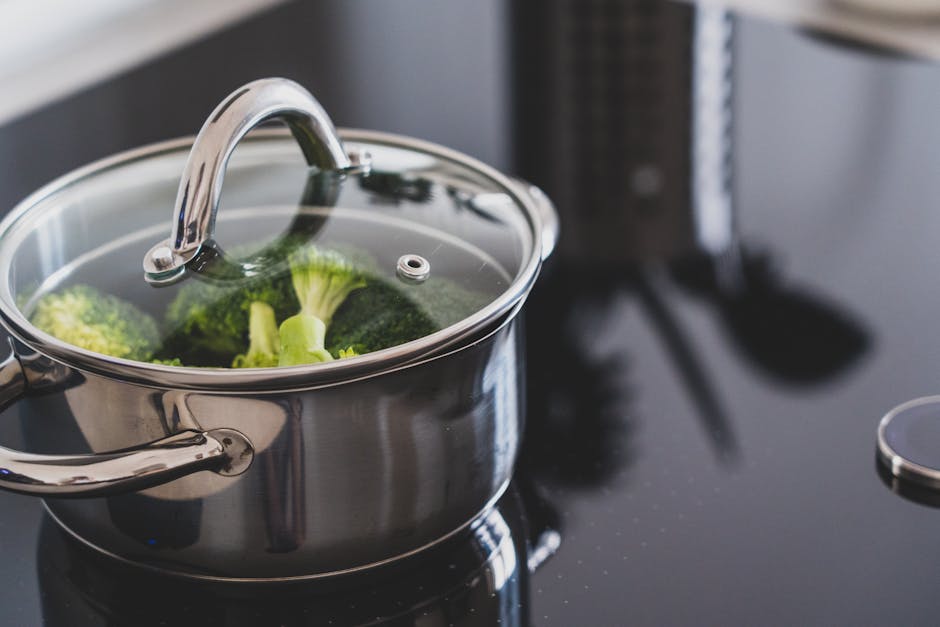
Katogo means putting whatever is in the house into one pan and cooking it until everything is done, which is why no two are alike — beans, offal, groundnut sauce, tubers, all legitimate. This is the matooke version, and it is a breakfast rather than a dinner. It is also the only matooke dish that comes with real quantities, precisely because it is boiled rather than steamed in leaves, and so much easier to pin down.
Ingredients
Equipment: Large pan with a lid, Sharp knife, Bowl of water
- 15 to 20 green bananas (matooke)
- 10 medium tomatoes, diced
- 1 large onion, diced
- 2 scallion stalks
- 5 ml (1 tsp) oil
- 2.5 ml (1/2 tsp) oil, for your hands
- Water, to almost submerge
- Salt and pepper, to taste
Optional
- A pinch of sugar
To serve
- Ghee
- A side of greens
- Tea
Method
- Rub the 1/2 tsp of oil on your hands and the knife, then peel the bananas. Drop them into water as you go to stop them oxidising.
- Dice the tomatoes and onion.
- Put a clean pan on the heat with the 1 tsp of oil. Add the onion and cook until translucent.
- Add the tomatoes and let them cook right down until tender and paste-like.
- Add the bananas and enough water to almost submerge them. Bring to the boil and cook until the bananas are almost tender.
- Season with salt and pepper.
- Once they are tender, reduce the heat and let the katogo simmer down.
- Take it off the heat, let it settle, and serve with ghee, a side of greens and tea.
Chef Tips
- How much water you add decides what you get. More water gives a soupy katogo, less gives a thick one — both are correct and it is a preference, not a rule.
- Ten tomatoes can tip it tart. A pinch of sugar cuts through that, and it is the standard fix.
- Oil your hands before peeling, every time.
- Let the tomatoes go properly paste-like before the bananas go in. Underdone tomatoes leave it thin and sharp.
- Ghee at the table rather than in the pot. It is stirred into each plate.
- The same method takes beans, offal, groundnut sauce, yams, sweet potatoes or Irish potatoes. That is what katogo means.
Common Mistakes to Avoid
- Peeling with dry hands.
- Adding the bananas before the tomato base has reduced.
- Drowning it, unless soupy is what you wanted.
- Leaving it tart when a pinch of sugar would fix it.
- Boiling it hard once the bananas are tender, which breaks them up.
Nutrition (per serving)
Health Benefits
- Cooking bananas give slow-release carbohydrate, potassium and vitamin B6.
- Ten tomatoes make this a genuinely good source of lycopene and vitamin C.
- One teaspoon of oil for five servings.
- Filling enough to carry a morning of physical work, which is what it is for.
Cultural Note
Katogo is eaten at breakfast and it is eaten everywhere — at home, at a roadside stall, in a hotel dining room. Its looseness is the point: the word describes a method rather than a dish, so a katogo tells you what was in the kitchen that morning. Byenda, the offal version, is the one people queue for.
Storage & Serving
Storage: Refrigerate up to 3 days.
Reheating: Warm in a pan with a splash of water.
Serve with: Ghee, Dodo, Ugandan tea
Adapted From
- Adapted from Sophia Musoki, 'Classic Matooke Katogo', A Kitchen In Uganda (26 June 2018) — quantities, the oiled-hands note, the water-consistency observation and the sugar-for-tartness fix are all hers.
- The definition of katogo as cooking whatever is available in one pan is from her Classic Katogo post (2015).