 Ugandan · Vegetables & Legumes
🥬 Cowpea Leaf and Groundnut Soup
Eggobe — boo, empindi, mashaza
Three hundred grams of cowpea leaves boiled twenty to thirty minutes in salted water, then finished with groundnut paste and simmered fifteen minutes more.
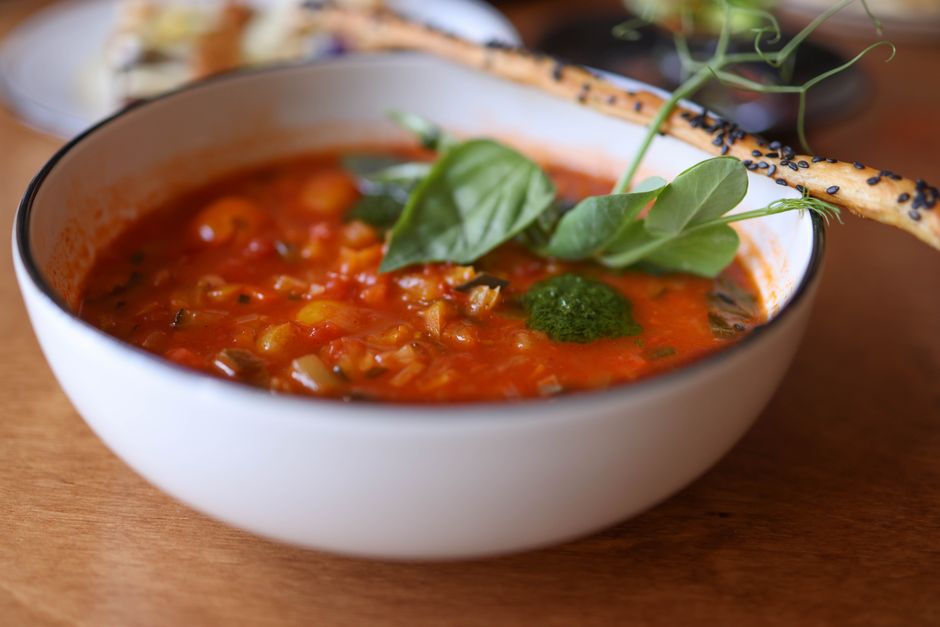
Cowpea leaves are eaten across Uganda under a different name in every language — eggobe in Luganda, boo in Acholi, empindi and mashaza elsewhere — and in the north boo is a dish people are genuinely attached to. The leaves take a long boil, which is unusual for a green, and then the groundnut paste goes in for a further fifteen minutes. Four to five tablespoons of oil for five servings makes it clear this is a substantial sauce rather than a light vegetable.
Ingredients
Equipment: Saucepan with a lid, Bowl, Wooden spoon
- 300 g cowpea leaves
- 300 ml salted water
- 60 to 75 ml (4 to 5 tbsp) oil
- 2 medium onions
- 3 medium tomatoes
- 250 g groundnut paste
- Cold water, to dissolve the paste
Method
- Wash and chop the cowpea leaves.
- Boil them in the 300 ml of salted water for 20 to 30 minutes.
- Chop the onions and tomatoes and add them with the oil.
- Dissolve the groundnut paste in cold water to a smooth thick sauce.
- Stir the dissolved paste into the pan.
- Simmer a further 15 minutes.
- Serve as a thick soup with a staple.
Chef Tips
- Twenty to thirty minutes is a long boil for a leaf and it is correct here — cowpea leaves are tougher than amaranth or collards and they want it.
- Dissolve the groundnut paste in cold water first. This is the rule for every groundnut sauce in the country and there are no exceptions to it.
- The paste goes in near the end, for fifteen minutes only. Boiled hard and long, groundnut sauce splits.
- Four to five tablespoons of oil is what the source gives, and it makes this a sauce rather than a side.
- Dried cowpea leaves are used as much as fresh, especially out of season, and they need soaking first.
- In Acholi it is boo, and it is one of the dishes northern Ugandans are most attached to — usually eaten with kwon kal or with odii rather than a groundnut paste.
- The same plant gives cowpeas themselves, so a household growing it gets a pulse and a green from one crop.
Common Mistakes to Avoid
- Treating it like a quick-cooking green.
- Adding the groundnut paste undissolved.
- Boiling hard after the paste is in.
- Cutting the oil right back and wondering why it tastes thin.
- Using dried leaves without soaking them.
Nutrition (per serving)
Health Benefits
- Cowpea leaves are high in protein for a green, plus iron, calcium and vitamins A and C.
- Groundnut paste supplies protein, niacin and vitamin E.
- The fat helps the body absorb the leaf's carotenoids.
- Contains peanuts.
Cultural Note
One plant, one dish, and a different name in every Ugandan language — this is the clearest example of why a Ugandan recipe collection has to carry local names rather than only English ones. Called eggobe it reads as a central Ugandan sauce; called boo it is a northern dish people write essays about.
Storage & Serving
Storage: Refrigerate up to 3 days.
Reheating: Warm gently with a splash of water.
Serve with: Posho, Boiled Sweet Potatoes, Matooke
Adapted From
- Adapted from 'Cowpea Leaf and Groundnut Soup', p20 of 'Traditional Products and Dishes: Uganda — From Earth to Table', second edition 2018, Slow Food International — the 300 g of cowpea leaves, 300 ml of salted water, 4 to 5 tablespoons of oil, 2 medium onions, 3 medium tomatoes, 250 g of groundnut paste, the 20-to-30-minute boil and the 15-minute simmer are all as printed there.
- The regional names for cowpea — empindi, mashaza, eggobe — are from the booklet's cowpea entry, p19. The Acholi name boo and the attachment to it in northern Uganda are documented separately, notably in the Global Press Journal's reporting by a named Ugandan journalist.
- The dissolve-the-paste-in-cold-water rule is consistent across every Ugandan groundnut source consulted.