 Ugandan · Beverages
🍵 Kuruku Chai
Kuruku chai
Lemongrass boiled in tea — one plant, one pot, and the sharpest-smelling cup in West Nile.
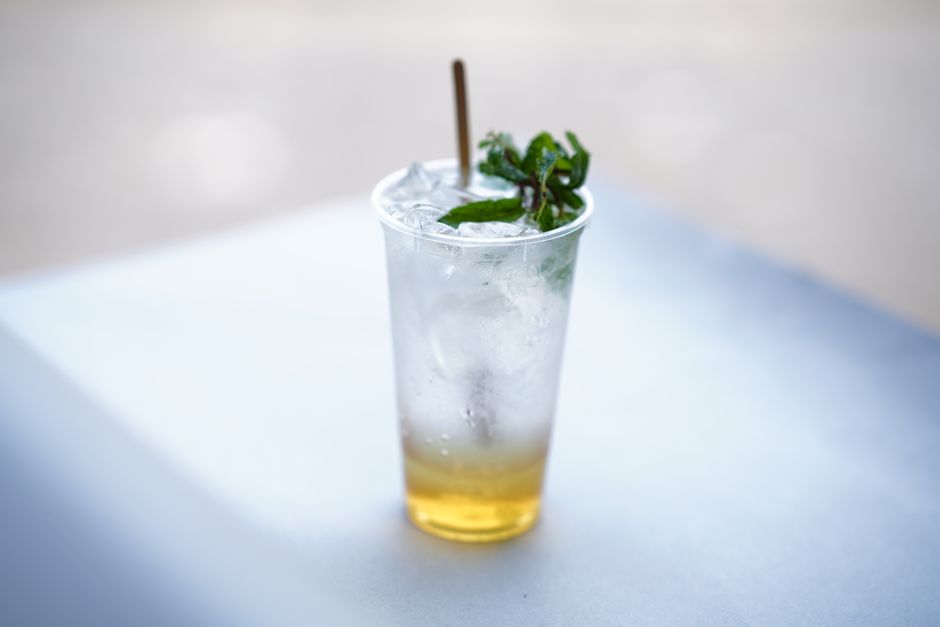
Kuruku chai is lemongrass boiled in tea, and it is one of the two everyday Lugbara teas: this one and ebe'de, the unsweetened kind named after the scooping action because it is served self-service. Lemongrass grows readily and it is the most common Ugandan garden herb for infusions, alongside mujaja. The cue is the same as for mujaja tea — the aroma comes up and the water changes colour, and that is when it comes off.
Ingredients
Equipment: Saucepan, Strainer
- A handful of lemongrass blades
- Tea leaves
- Water
- Sugar, to taste
No quantities are documented
Method
- Wash the lemongrass and cut or bruise the blades.
- Put the water, lemongrass and tea in a clean saucepan and bring to the boil.
- Take it off as soon as the lemongrass releases its aroma and the water has changed colour.
- Strain.
- Sweeten to taste and serve hot.
Chef Tips
- Aroma and colour together are the cue, as with mujaja tea in Mujaja Tea. Boiled past it, it goes bitter and flat.
- Bruise or cut the blades. Whole lemongrass gives up very little.
- Strain it. Leaves left in keep infusing and the cup sours as it cools.
- Tea goes in with the lemongrass here, which is what makes it chai rather than a plain infusion. Ebe'de, the other Lugbara tea, is unsweetened and served self-service, and is named after the scooping action.
- The lemongrass root, rather than the blades, is a different ingredient entirely — browned in palm oil it gives a sweet savoury flavour, as in Lemongrass Palm Oil Potato Wedges. Do not substitute one for the other.
- Milk if you want it, though the documented Lugbara teas are taken without.
- No quantities are documented. Nothing here is estimated.
Common Mistakes to Avoid
- Boiling it past the aroma.
- Using whole unbruised blades.
- Leaving the leaves in the pot.
- Using the root instead of the blades.
- Sweetening after straining rather than during.
Nutrition (per serving)
Health Benefits
- Lemongrass contains citral and is traditionally taken to settle the stomach.
- No fat, and only the sugar you add.
- A hot drink made from a garden plant, with nothing bought.
- The tea adds some caffeine, unlike the pure herbal infusions.
Cultural Note
Two everyday teas in one community, distinguished by whether there is an added herb and whether it is sweetened, and one of them named after the physical act of serving yourself — that level of granularity in naming is what a living food language looks like.
Storage & Serving
Storage: Best fresh. Refrigerate up to 2 days and drink cold.
Reheating: Warm gently. Do not re-boil.
Adapted From
- Adapted from the Wikipedia article on Lugbara cuisine, which lists kuruku chai as lemongrass boiled in tea, and ebe'de or ibe'de as an unsweetened tea named after the scooping action and taken self-service. That is the entirety of the documented method and no quantities are given.
- The aroma-and-colour doneness cue is from Sophia Musoki's mujaja tea, which appears in this collection as Mujaja Tea, and is a cross-reference from a directly comparable Ugandan herbal infusion rather than an attestation for this drink.
- The distinction between lemongrass blades for infusions and lemongrass root as a savoury aromatic is drawn from her palm-oil potato wedges, Lemongrass Palm Oil Potato Wedges.
- That article carries only three references, including web archives and blog material, so its detail is treated as a lead rather than as established fact.