 South African · Traditional Drinks
🥛 Amasi
Amasi — emasi, magege
Milk warmed to blood heat, stirred with a few spoons of an existing batch, and left in a dark cupboard for a day or two until it thickens and sours — the soured milk half of half the dishes in this collection.
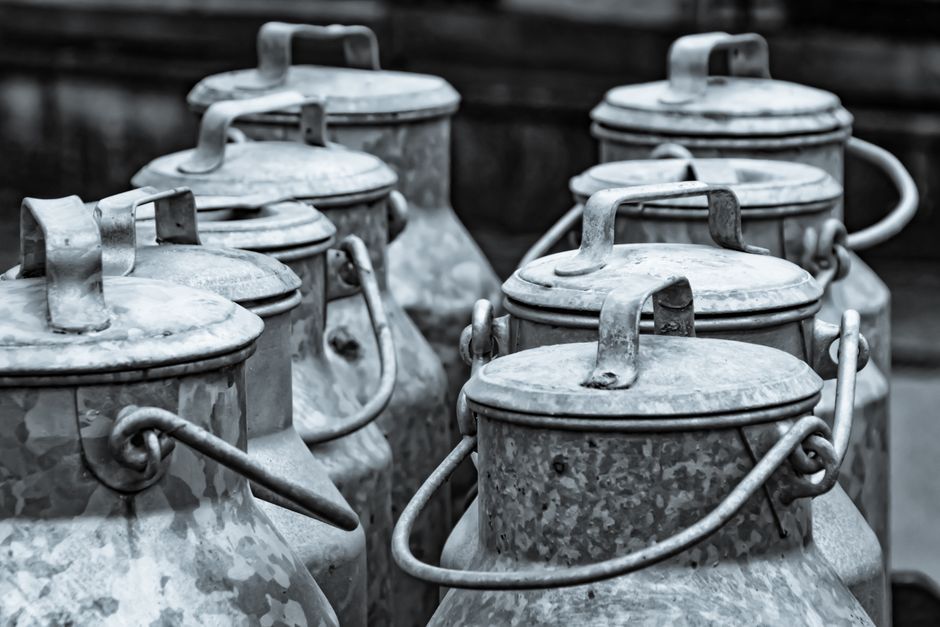
Amasi is the oldest thing in South African cooking that you can still make in a jar. Traditionally the milk soured in an igula, a calabash gourd whose interior carried the cultures from one batch to the next, and the practice long predates the arrival of maize. Made at home it takes one careful step — getting the milk warm but nowhere near hot — and then patience. It is emasi in siSwati and magege in Tshivenda and Xitsonga.
Ingredients
Equipment: Saucepan, Thermometer, or a clean finger, Clean glass or ceramic jar with a loose lid
- 1 L full-cream milk
- 3 tbsp amasi, from a previous batch or a shop-bought tub, as a starter
Method
- Warm the milk in a saucepan to between 30 and 37C — blood heat, and no hotter. Do not let it boil.
- Stir in the 3 tbsp of amasi and mix well.
- Pour into a clean glass or ceramic jar and cover it loosely, so gas can escape.
- Leave it in a warm dark place — a cupboard or pantry — for 24 to 48 hours, depending on how warm your kitchen is.
- It is ready when it has thickened and smells and tastes slightly sour.
- Refrigerate as soon as it reaches that point, which stops the fermentation. It keeps about a week.
Chef Tips
- Blood heat is the whole technique. Too hot and you kill the cultures you just added; too cold and nothing happens for days.
- A loose lid, not a sealed one. Fermentation produces gas and a tight jar will build pressure.
- Refrigerate the moment it thickens. Left out, it keeps souring and eventually separates.
- Keep three spoons back from every batch to start the next one, which is what the calabash did automatically.
- Hung amasi — drained through cheesecloth for four hours — is a thicker product used for dips and for izingingila.
Common Mistakes to Avoid
- Boiling the milk, which kills the starter cultures and leaves you with warm milk that never sets.
- Sealing the jar tight.
- Leaving it out past the point of thickening, after which it goes sharp and splits.
- Using ultra-heat-treated milk without a live starter, which has nothing in it to work with.
Nutrition (per serving)
Health Benefits
- A fermented food carrying live lactic-acid bacteria.
- Fermentation breaks down some of the lactose, so amasi suits many people who struggle with fresh milk.
- A good source of protein, calcium and B vitamins.
Cultural Note
Amasi carries weight beyond the kitchen: it is offered to guests, used in ceremony, and in some traditions there are rules about who may drink whose. Making it is now described as an act of patience more often practised in rural areas than in cities, which is a polite way of saying most people now buy it in a tub.
Storage & Serving
Storage: Refrigerated, about a week. It thickens and sharpens further over that time.
Reheating: Never heated — it is served cold and splits if warmed.