 South African · Vegetables & Legumes
🌿 Mokhuse
Mokhuse — mukusule
Sun-dried greens boiled forty minutes to soften, then folded into onion, garlic, chilli, paprika and tomato cooked down to a thick sauce — the Limpopo way with dried morogo, and no groundnut in it at all.
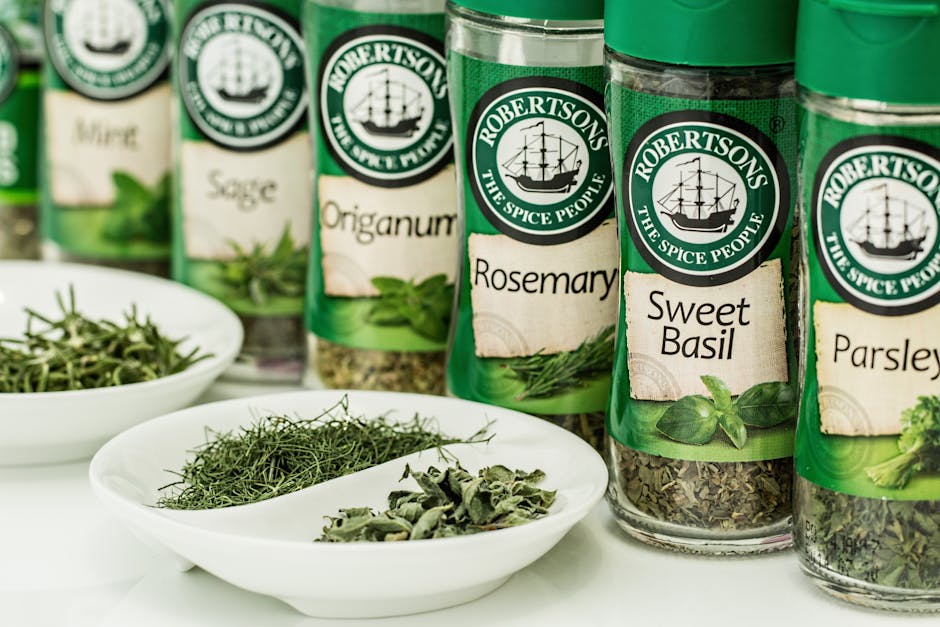
Mokhuse is sun-dried leafy greens, and the point of them is that they keep. Venda migrant workers travelled with bags of it, which is as good a description of what this food is for as any. This is the tomato-and-chilli treatment rather than the groundnut one, and the two are genuinely different dishes made from the same raw material. The forty minutes of boiling is not optional — dried greens are tough and there is no shortcut.
Ingredients
Equipment: Pot, Colander
- 250 g mokhuse (sun-dried greens)
- 480 ml (2 cups) hot water, plus more if needed
- 60 ml (1/4 cup) canola or sunflower oil
- 1 large onion, finely chopped
- 2 cloves garlic, finely chopped
- 1 red chilli, finely chopped
- 5 ml (1 tsp) ground paprika
- 2 ripe tomatoes, chopped
- Salt and ground black pepper, to taste
To serve
- Mealie meal porridge
Method
- Cook the mokhuse in the 2 cups of hot water over medium heat for 40 minutes. Give it another 10 to 20 minutes if it is still tough.
- Drain and set aside.
- Heat the oil in a pot and add the onion, garlic, chilli and paprika. Cook for 2 to 3 minutes, until the onion softens.
- Add the tomatoes and stir until they break down into a thick sauce. Season with salt and pepper, adding a splash of water if it starts to stick.
- Return the drained mokhuse to the pot and warm it through for 5 minutes.
- Serve with mealie meal porridge.
Chef Tips
- Forty minutes of real boiling, and taste it before you drain. Dried greens that have not softened properly stay leathery no matter what sauce goes on them.
- Drain them. Dried greens hold a lot of water and it will thin the tomato sauce to nothing.
- This has no peanut in it. The groundnut version is a separate dish — see the dobi treatment in morogo wa dinawa.
- Swiss chard works if you cannot find mokhuse, but skip the 40-minute boil entirely and just wilt it.
- A quarter cup of oil for 250 g of greens is a lot by modern habit and is correct here — dried greens drink oil and taste thin without it.
Common Mistakes to Avoid
- Cutting the initial boil short.
- Adding the greens without draining them.
- Under-cooking the tomato, so it stays watery rather than becoming a sauce.
- Cooking the greens in the sauce for another half hour, which turns them to sludge.
Nutrition (per serving)
Health Benefits
- Dried indigenous greens are high in iron, calcium and vitamin A.
- Drying concentrates the minerals, so a small quantity goes a long way.
- High in fibre and entirely plant-based.
Cultural Note
That Venda migrant workers carried bags of mokhuse to the mines says most of what needs saying about it: a food that keeps for a year without refrigeration, weighs almost nothing dry, and tastes of home. Indigenous greens like these were dismissed for decades as poverty food and are now being reconsidered, which is a familiar pattern.
Storage & Serving
Storage: Refrigerate up to 3 days. The dried greens keep for a year in a dry place.
Reheating: Warm gently in a pan.
Serve with: Vhuswa or stiff mealie meal porridge, Tshidzimba, Beef stew