 Nigerian · Soups & Stews
🎃 Miyan Taushe
Miyan taushe — pumpkin soup
Two hundred and fifty grams of ripe pumpkin to a hundred and fifty of groundnut — five to three — with the pumpkin mashed coarsely in the pot rather than blended.
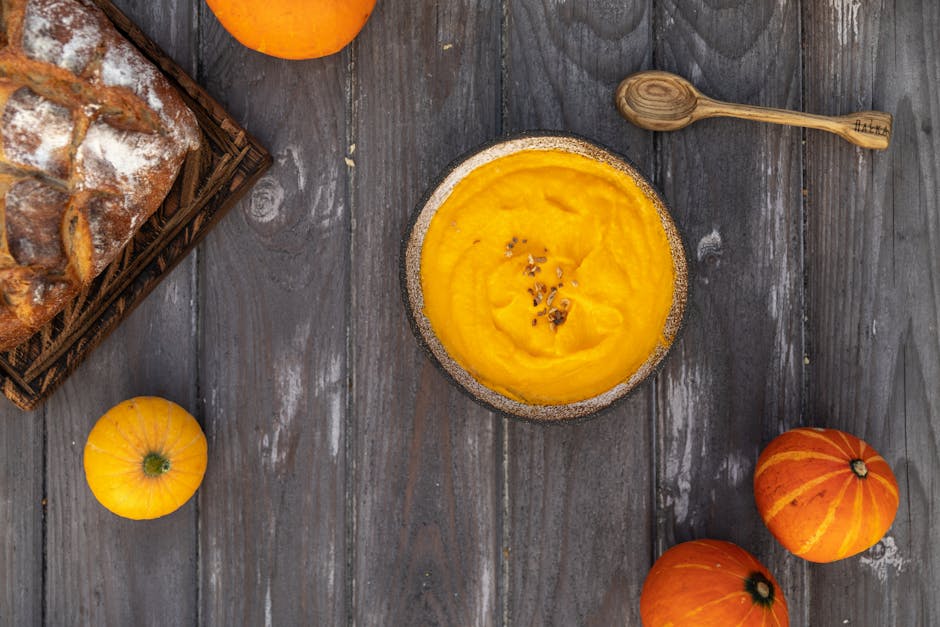
Miyan taushe is the sweet pumpkin soup of the north and this is the only source that gives both of its defining weights: 250 g of ripe pumpkin against 150 g of groundnut, a ratio of five to three. The technique point is that the pumpkin cooks with the meat and is then mashed coarsely in the pot — not cooked separately and blended, which is what another named source does and which gives a different texture entirely. Yakwa, the sorrel leaf, goes in at the end and its tang is deliberate: it contrasts with the sweetness. Stated yield, ten servings.
Ingredients
Equipment: Large pot, Blender, Dry pan, for roasting the groundnuts, Potato masher or wooden spoon
- 1 small ripe pumpkin, approximately 250 g
- 1 kg meat of choice — beef, cow feet, goat, soft cow bones, chicken, tripe or oxtail
- 1 medium dried or smoked fish
- 1 small bunch yakwa or yakuwa (sorrel leaves) — spinach or ugwu as substitute
- 1 medium tomato
- 1-2 fresh peppers
- 1 tatashe (red bell pepper)
- 1 onion bulb
- 150 g groundnut, roasted or raw (1 cup)
- Half a cup crayfish
- 2 tbsp ground locust beans, or 100 g fresh locust beans
- 1-2 cooking spoons palm oil or vegetable oil
- 1-2 seasoning or stock cubes, to taste
- Salt to taste
Method
- Wash and cut the pumpkin. Peel the outer skin and scrape out the hairy pulp and seeds. Cut the meat into small chunks. Clean the dried fish with hot water and remove the bones. Wash and chop the vegetables.
- If using fresh groundnuts, roast them in a dry pan on low heat with a wooden spoon until the aroma develops.
- Blend the groundnut and crayfish into a smooth thick paste, then dissolve it with water or meat stock.
- Grind the dried locust beans and set aside.
- Blend the tomatoes, fresh pepper, tatashe and onions, and pour into a pot to dry off the excess water.
- Put the meat and pumpkin chunks in a pot with onions, 1 stock cube and salt. Boil in their own juice 5 minutes, then add water and cook until the meat is tender.
- Mash the softened pumpkin coarsely in the pot.
- Add the dissolved groundnut paste, the tomato-pepper paste, the cleaned dried fish and the palm oil, and mix thoroughly.
- Add the locust beans. Taste and adjust the salt and seasoning.
- Boil 15 minutes on medium heat, stirring constantly to prevent burning. Adjust the water if it is too thick, but avoid a watery consistency.
- Add the chopped vegetables and simmer 3 to 5 minutes. Remove from the heat and stir well.
Chef Tips
- Two fifty to one fifty — pumpkin to groundnut, five to three. That is the ratio and it comes from exactly one source.
- Mash the pumpkin in the pot, coarsely. Blending it separately gives a smooth soup; mashing leaves texture, and the two are noticeably different dishes.
- Boil the meat and pumpkin in their own juice for five minutes before any water goes in. Same dry-start principle as several other Nigerian soups.
- Stir constantly during the fifteen minutes after the groundnut paste goes in. Groundnut catches on the base and burns fast.
- Dissolve the groundnut paste in water or stock before it goes in. Added as a thick paste it will not disperse.
- Yakwa's tang is the point — its sour note contrasts with the sweetness of the soup. Spinach or ugwu will substitute but you lose that contrast.
- It thickens as it cools. Leave it slightly looser than you want to serve it.
Common Mistakes to Avoid
- Blending the pumpkin instead of mashing it.
- Adding the groundnut paste thick and undissolved.
- Walking away during the fifteen-minute stir.
- Adding water before the meat and pumpkin have had their five dry minutes.
- Making it watery, which the source warns against directly.
Nutrition (per serving)
Health Benefits
- Pumpkin is an exceptional source of beta-carotene.
- Groundnut adds plant protein, niacin and healthy fats.
- Sorrel leaf supplies vitamin C and organic acids.
- High in protein from the meat and dried fish.
Cultural Note
Miyan taushe is the sweetest of the northern soups and the only one built on a squash, which makes it immediately recognisable on a northern table. The groundnut is what gives it body — this is groundnut-growing country — and the yakwa at the end is what stops the sweetness becoming cloying. Its source notes that each household has its own variation, which is as much as any recipe for it can honestly claim.
Storage & Serving
Storage: 4 days refrigerated, 3 months frozen.
Reheating: Low heat, stirring, with water to loosen.
Serve with: Tuwo Shinkafa, Tuwo Masara, Masa
Adapted From
- Adapted from 'Miyan Taushe (Nigerian Pumpkin Soup)', byline Lilian Nke, credited on her site as 'Nky Lily Lete of nigerianfoodtv.com'. YIELD AS PRINTED: 10 servings.
- Quantities exactly as printed: 1 small ripe pumpkin (approximately 250 grams); 1 kilogram meat of choice (beef, cow feet, goat meat, soft cow bones, chicken, tripe, or oxtail); 1 medium dried or smoked fish; 1 small bunch yakwa/yakuwa (sorrel leaves; spinach or ugwu as substitute); 1 medium tomato; 1-2 fresh peppers; 1 tatashe (red bell pepper); 1 onion bulb; 150 grams groundnut (1 cup, roasted or raw); half cup crayfish; 2 tablespoons ground locust beans OR 100 grams fresh locust beans (ogiri, iru, or dawadawa); 1-2 cooking spoons palm oil or vegetable oil; 1-2 seasoning/stock cubes to taste; salt to taste.
- THE PUMPKIN-TO-GROUNDNUT RATIO: 250 g to 150 g, i.e. 5:3. This was specifically investigated and it comes from EXACTLY ONE SOURCE. The second named source gives '1/2 large Pumpkin' and 'A Handful of Peanuts', neither of which is quantified in any absolute sense, so no ratio can be extracted from it.
- All times as printed: boil the meat and pumpkin in their own juice 5 minutes, then add water and cook until tender; boil 15 minutes on medium heat after the groundnut paste, stirring constantly to prevent burning; vegetables 3 to 5 minutes.
- Headnote as printed: a pumpkin soup popular among Hausa communities in Northern Nigeria, made with ripe pumpkin, eaten across age groups, characteristically sweet, and 'each household has its own variation.' Serving as printed: 'Serve hot with Rice mosa, Tuwon shinkafa, Tuwon masara, Sinasir, Pounded yam or any other swallow or fufu recipe.'
- On the yakwa, as printed: its 'tangy taste contrast well with the sweet taste of the soup.'
- DISAGREEMENT ON METHOD, not reconciled, and it is a texture difference rather than a quantity one: this recipe cooks the pumpkin WITH the meat and mashes it in the pot; Afrolems cooks the pumpkin SEPARATELY and BLENDS it. Both are presented as the dish.
- Doneness cues as printed: the soup thickens as it cools; the meat tender after the initial cook; the vegetables softened after the final 3-to-5-minute simmer.