 Nigerian · Street Food & Snacks
🥜 Kuli-Kuli
Kuli kuli — groundnut cake
Roasted groundnuts ground with ginger and then squeezed to remove as much oil as possible — which is the step that makes it crunchy and makes yaji possible.
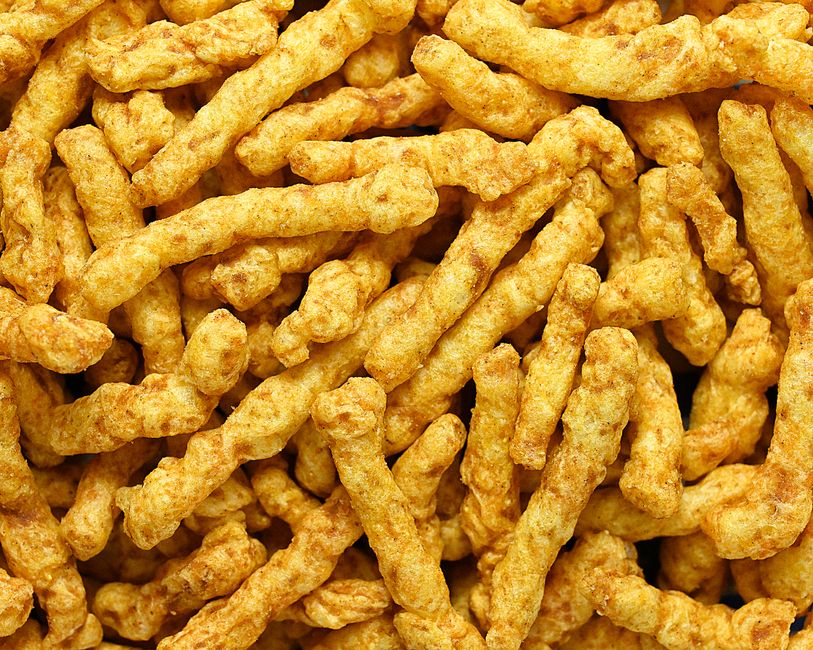
Kuli kuli is the defatted groundnut cake that underlies the whole northern spice repertoire, and the step that matters is the squeezing. A cup of dry-roasted groundnuts is ground with grated ginger to a paste that is deliberately not quite a paste, and then squeezed to remove as much oil as possible — which the source says is very important for crunch. The defatted paste is moulded, fried in about four centimetres of peanut oil until golden, and left to cool completely, which is when it hardens. That same low oil content is why kuli kuli works in yaji and peanut powder does not.
Ingredients
Equipment: Dry mill, or mortar and pestle, Clean cloth or your hands, for squeezing, Deep pan, Slotted spoon
- 1 cup dry-roasted groundnuts (peanuts)
- Half a tablespoon grated ginger
- A pinch of ground chilli pepper (optional)
- Groundnut or peanut oil, for frying — about 4 cm deep
- A little water, if needed for moulding
Optional, for flavouring the oil
- Onion slices or cloves
Method
- Grind or pound the roasted groundnuts and the ginger until smooth, in a dry mill or mortar. You can add a little oil while grinding, but do not take it all the way to a complete paste.
- Squeeze the groundnut paste to remove as much oil as possible. This is very important if you want a very crunchy kuli kuli.
- Mould the paste into shapes — circular is traditional — adding a little water if it will not hold.
- Heat about 4 cm of peanut oil until smoking. Add onion slices or cloves for flavour if you like.
- Add the moulded groundnut paste to the oil and fry until golden brown.
- Remove from the oil and leave to cool completely — it hardens as it cools.
- If it is softer than you want, put it in a preheated oven to dry out and harden without burning.
Chef Tips
- The squeezing is the whole recipe. As much oil out as you can manage, and the source says plainly it is very important for crunch.
- Do not grind it all the way to a smooth paste. You want it just short of that, so it still holds a shape.
- It hardens on cooling. Judging the texture hot will make you overfry it.
- Four centimetres of oil and get it properly hot — smoking, per the source — or the kuli kuli will absorb it back.
- The oven is the fix for soft kuli kuli. A low oven dries it out without browning it further.
- This is the base of yaji, and the low oil content is why. Ground with its oil intact it would turn the spice blend into a paste.
- The expressed oil is a by-product with real uses, though this source treats it only as something to squeeze out. One other account fries the kuli kuli in its own pressed oil.
Common Mistakes to Avoid
- Not squeezing out enough oil.
- Grinding to a full smooth paste.
- Frying in oil that is not hot enough.
- Judging the crunch while it is still hot.
- Adding too much water when moulding.
Nutrition (per serving)
Health Benefits
- Defatted groundnut cake is high in protein and much lower in fat than whole peanuts.
- A good source of niacin, magnesium and folate.
- Vegan and gluten-free.
- No sugar.
Cultural Note
Kuli kuli is sold everywhere in Nigeria, crumbled over garri, eaten with groundnuts and tiger nuts, and ground into yaji. One named survey of Lagos Island snacks describes it as roasted groundnuts ground to paste, the oil pressed out, formed into cakes and fried in the pressed oil till crisp — which is a complete, closed-loop use of a single ingredient and its own by-product.
Storage & Serving
Storage: 3 weeks in an airtight container once fully cooled.
Reheating: A low oven for a few minutes restores the crunch.
Serve with: Yaji, Garri with groundnuts, Hot tea
Adapted From
- Adapted from 'Kuli Kuli: Nigerian (Hausa) Snack | groundnut/peanut balls', byline Lilian Nke, also credited as Nky Lily Lete, nigerianfoodtv.com. Headnote as printed: a Northern Nigerian snack offering 'lovely childhood memories'; 'one crunchy snack.'
- Quantities exactly as printed: 1 Cup dry roasted groundnuts / Peanuts; Half tablespoonful Grated Ginger; A pinch of ground Chilli pepper (optional); Groundnut / Peanut oil, for frying. Yield not specified.
- THE DEFATTING STEP, verbatim and the reason this entry exists: 'Squeeze the groundnut paste to remove as much oil as possible' — described on the page as 'very important if you want a very crunchy kuli kuli.'
- Method as printed: grind or pound the roasted groundnuts and ginger until smooth in a dry mill or mortar, optionally adding a little oil while grinding, without making a complete paste; squeeze out the oil; mould into shapes, circular preferred, adding water if needed; heat approximately 4 cm deep peanut oil until smoking, with optional onion slices or cloves for flavour; fry until golden brown; remove and leave to cool completely. Tip as printed: if softer than desired, 'pop it into a preheated oven to dry out and harden without burning it.'
- ON THE OIL BY-PRODUCT, which was specifically asked about: this recipe DOES NOT quantify the extracted oil and does not treat it as a product. Step 2 is the defatting step and it is the origin of both the oil and the defatted cake, but the author treats the oil purely as waste to be squeezed out for texture. The expressed groundnut oil as a named by-product is not documented in this source, and the yield is not measured anywhere.
- THE CHAIN IS DOCUMENTED ACROSS SOURCES BUT NOT IN ONE PLACE: Kitchen Butterfly's kilishi account calls the labu base 'defatted groundnut cake' paste and puts it at about 50 per cent of the marinade; 9jafoodie's yaji headnote explains kuli kuli works in yaji precisely because of its low oil content; and this page describes the defatting. So groundnuts to oil expressed to defatted cake to kuli kuli to yaji and labu is traceable across three sources, but NO SINGLE SOURCE documents it as a chain and nobody quantifies the oil yield. That is recorded as a gap.
- A MINOR DIVERGENCE: the suya spice page on All Nigerian Recipes describes kuli kuli as deep-fried 'in vegetable oil', while Kitchen Butterfly's Lagos Island snack guide describes it as fried 'in the pressed oil' — its own expressed groundnut oil. Minor but real, and the second is the more traditional.
- A LEAD NOT RETRIEVED: Daily Trust's feature ' "Kuli-Kuli": Trans-tribal delicacy facing extinction' was located but not fetched, and is flagged as headnote material.