 Ugandan · Vegetables & Legumes
🫘 Kila Kila
Kila kila
Beans cooked with their skins on and finished with groundnut paste — the plain counterpart to the skinned operete, and the one a household eats on an ordinary day.
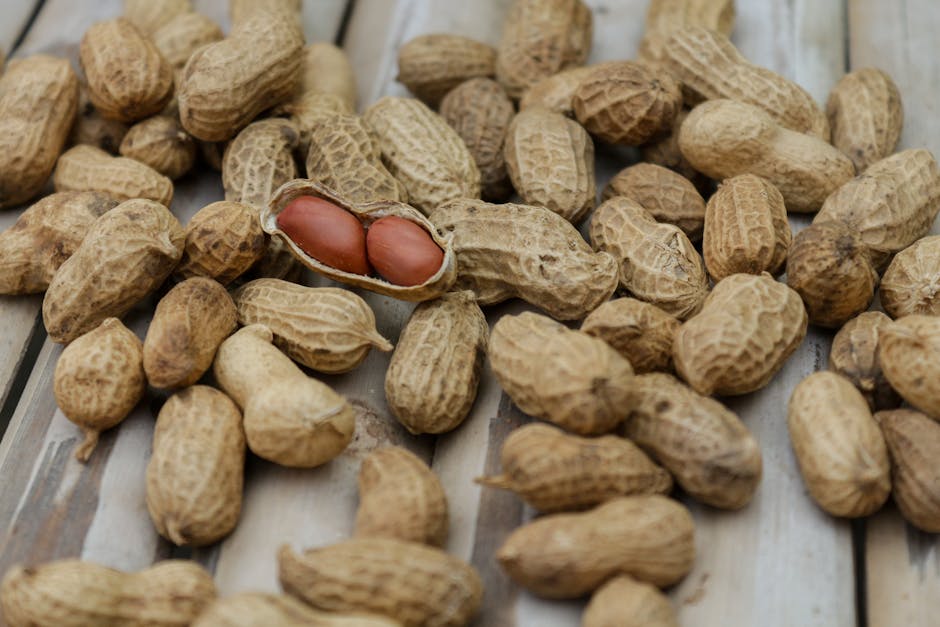
Kila kila is beans with the skins left on, cooked with groundnut paste. It sits directly opposite operete, which is the same bean with the skins slipped off, and the pair of them tells you something about how Lugbara cooking thinks: the skinned version is the effortful one for occasions, this is the everyday one. Two variants are recorded — osu olungulungu, made with uncrushed beans, and angunduru.
Ingredients
Equipment: Bowl, for soaking, Saucepan, Bowl
- Dried beans, skins on
- Water
- Groundnut paste
- Cold water, to dissolve the paste
- Salt, or a'itipa
Optional
- Kaiko burusu peas
- Mundrokole
No quantities are documented
Method
- Soak the dried beans overnight.
- Boil them, skins on, until soft.
- Dissolve the groundnut paste in cold water to a smooth sauce.
- Stir the paste through the beans.
- Season with salt, and simmer to bring it together.
- Serve with a starch.
Chef Tips
- Skins on, deliberately. This is not a shortcut version of operete — it is its own dish and the skins give it body and fibre the skinned one does not have.
- Dissolve the groundnut paste in cold water first. That rule holds across every Ugandan groundnut sauce without exception.
- Soak overnight. Unsoaked beans with their skins on take hours longer.
- Two variants are recorded: osu olungulungu, which uses uncrushed beans, and angunduru.
- Kaiko burusu peas and mundrokole can go in alongside, which makes it a mixed pulse dish rather than a single-bean one.
- A'itipa, the Lugbara leaf-ash salt in A'itipa, is the traditional seasoning and it does more than salt — it is alkaline and softens the beans.
- No quantities are documented in any source. Nothing here is estimated.
- The skinned counterpart is operete, Operete, and the western Ugandan equivalent of that is firinda, Firinda.
Common Mistakes to Avoid
- Skinning the beans, which makes it a different dish.
- Adding the groundnut paste undissolved.
- Skipping the overnight soak.
- Boiling hard after the paste is in, which splits it.
- Under-cooking the beans.
Nutrition (per serving)
Health Benefits
- Beans with their skins are considerably higher in fibre than skinned ones.
- High in plant protein, folate, iron and magnesium.
- Groundnut paste adds protein, niacin and vitamin E.
- Contains peanuts.
Cultural Note
A cuisine that has separate names for beans with the skins on and beans with the skins off, and separate names again for the crushed and uncrushed versions, is a cuisine that eats a great many beans. The distinction is invisible in English and central in Lugbara.
Storage & Serving
Storage: Refrigerate up to 4 days.
Reheating: Warm gently with a little water.
Adapted From
- Adapted from the Wikipedia article on Lugbara cuisine, which lists kila kila as beans with the skin on, cooked with kaiko burusu peas, mundrokole and groundnut paste, and names two variants — osu olungulungu with uncrushed beans, and angunduru. That is the entirety of the documented detail and no quantities are given.
- The same article gives operete or ajira as the skinned counterpart and angarawa or angaraba as skinless beans lightly fried or cooked with groundnut paste in the Terego dialect; both appear or are discussed in Operete.
- The dissolve-the-paste-in-cold-water rule is consistent across every Ugandan groundnut source consulted. The overnight soak is standard practice for dried beans and is not stated in the Lugbara source.
- That article carries only three references, including web archives and blog material, so its taxonomy is treated as a lead list rather than established fact.