 Ugandan · Breakfast
🌾 Anyoya
Anyoya — empengere, Mix
Dry maize and beans boiled together and eaten for breakfast — the word means fermented in Alur, and in modern Arua town they just call it Mix.
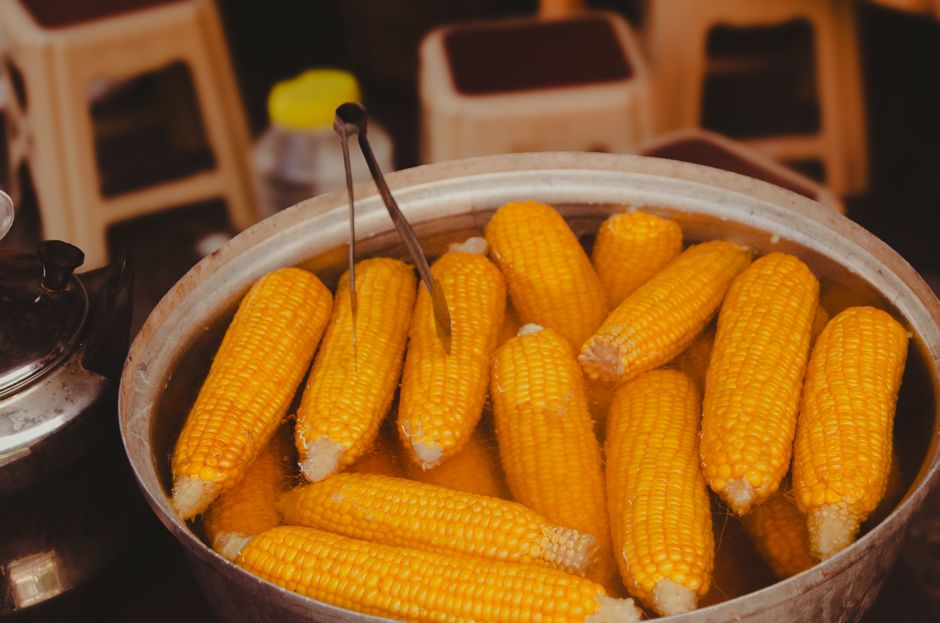
Anyoya is boiled dry maize and beans, eaten at breakfast, and the names it carries map its whole neighbourhood: the word itself is Alur and means fermented; the Baganda call the same thing empengere; in modern Arua town it is simply Mix; and across the border in Kenya the Kikuyu call it githeri. It is the same dish as the Bakiga empengyere in kind, and the same as the githeri in Githeri, which is the version with a method written down.
Ingredients
Equipment: Bowl, for soaking, Large heavy pot
- Dry maize kernels
- Dry beans
- Water
- Salt
No quantities are documented
Method
- Soak the dry maize and the beans overnight, separately.
- Boil the maize until tender. Whole dried maize takes hours.
- Add the beans and continue until they are soft.
- Season with salt.
- Serve for breakfast.
Chef Tips
- Maize first, beans after. Whole dried maize takes hours where beans take one, and cooking them together gives you disintegrated beans and hard maize.
- Whole dried maize is the slowest thing in a Ugandan kitchen. The Bakiga version of this dish, empengyere in Empengyere, gives about eight hours for it, and that is the honest figure.
- Top the water up throughout.
- The names are the interesting part: anyoya is Alur and means fermented, empengere is the Luganda name, Mix is what it is called in Arua town now, and githeri is the Kikuyu name across the border.
- Despite the name meaning fermented, the documented preparation is boiled rather than fermented. That mismatch is in the source and I am not going to resolve it for you.
- The fried, spiced version with tomato, onion and curry is Githeri, which is where the quantities are.
- No quantities are documented for anyoya itself. Nothing here is estimated.
Common Mistakes to Avoid
- Cooking the maize and beans together from the start.
- Using fresh maize and expecting the same dish.
- Under-cooking the maize.
- Letting the pot run dry.
- Assuming the name means it should be fermented.
Nutrition (per serving)
Health Benefits
- Maize and beans together form a complete protein.
- Very high in fibre, folate and magnesium.
- Boiled with nothing added but salt.
- Substantial enough to carry a morning's work, which is why it is breakfast.
Cultural Note
Four names in four languages for one pot of maize and beans, and a fifth that is just the English word Mix — that is a border region's food vocabulary in miniature. West Nile touches South Sudan and the Congo, and its kitchen shows it.
Storage & Serving
Storage: Refrigerate up to 4 days.
Reheating: Warm with a splash of water, or fry the leftovers.
Serve with: Kuruku Chai, Avocado, Akarafi
Adapted From
- Adapted from the Wikipedia article on Lugbara cuisine, which lists anyoya as boiled dry maize and beans eaten at breakfast, gives the word as Alur meaning fermented, gives the Luganda name empengere, records that it is called Mix in modern Arua Town, and names the Kikuyu githeri as its equivalent. That is the entirety of the documented detail and no quantities are given.
- That the documented preparation is boiled rather than fermented, despite the name's Alur meaning, is a mismatch in that source and is reported rather than resolved.
- The overnight soak and the maize-before-beans order are standard practice and are drawn from the documented Bakiga empengyere, Empengyere, which gives about eight hours for whole maize, and the Ugandan githeri, Githeri, which states that the maize must be well pre-boiled and very soft. Both are cross-references rather than attestations for anyoya.
- That article carries only three references, including web archives and blog material, so its detail is treated as a lead rather than as established fact.