 Ugandan · Sauces & Condiments
🥣 Odii
Odii — odi, ala, anyu
Sesame and groundnuts roasted and pounded together into one paste — the condiment that northern Ugandan cooking is built on, and the one nobody has ever written down a ratio for.
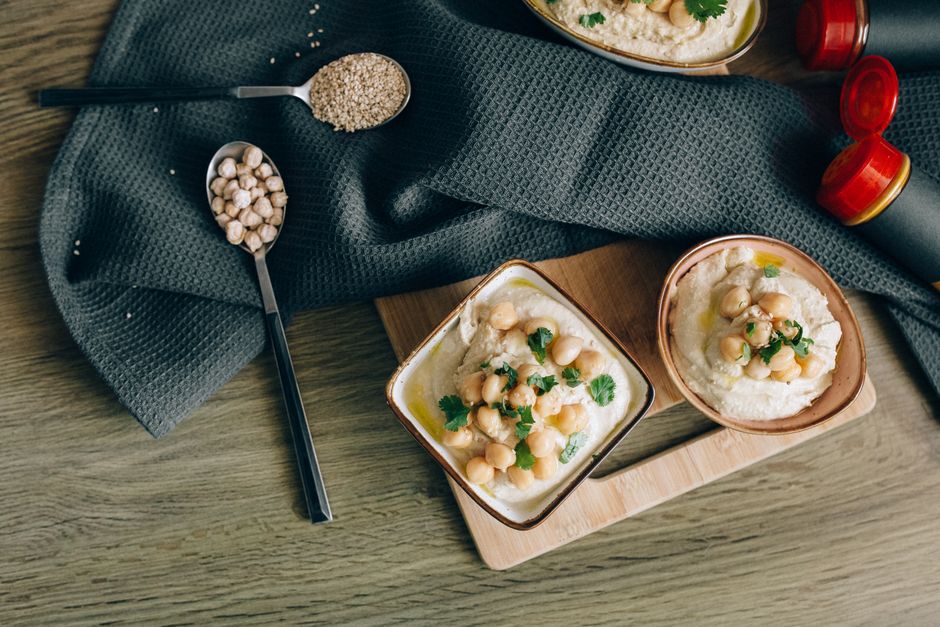
Odii is roasted sesame pounded together with groundnut into a single paste, and it is the signature condiment of northern Uganda. It goes into malakwang, into dek ngor, into boo, into dek agira. Every northern dish in this collection names it. And no source gives the sesame-to-groundnut ratio or the roast times — it is named constantly and quantified nowhere, which makes it the biggest documentation wall in the region. It is published here honestly incomplete because leaving out the north's defining ingredient would distort the collection more.
Ingredients
Equipment: Heavy pan, Wooden spatula, Mortar and pestle, or a grinding stone, Storage jar
- Sesame seeds (simsim)
- Groundnuts
- Salt
NO ratio of sesame to groundnut is documented in any source, and no roast times. Both are genuinely absent from the record.
Method
Roasting — documented for sesame, not for the combination
- Roast the sesame with salt, stirring continuously, until golden brown with a strong nutty aroma. Test by crushing a few seeds between thumb and finger.
- Pour the sesame out onto a tray and spread it to stop it cooking further.
- Roast the groundnuts separately, until browned and fragrant.
Pounding
- Pound the roasted sesame and groundnuts together into a paste.
- Store it in a clean jar.
Using it
- Loosen a spoonful with a little water before stirring it into greens, pigeon peas or a sauce.
Chef Tips
- The honest position first: no source gives the sesame-to-groundnut ratio for odii, or the roast times for the combination. Both are genuinely missing from the written record. Start at equal weights, taste, and adjust — and know that you are making a judgement the sources do not support.
- Roast the two separately. Sesame is small and burns in seconds; groundnuts take longer. One pan will ruin the sesame.
- The sesame roasting method that IS documented, from a quantified Ugandan source: 500 g of sesame with half a teaspoon of salt and 15 ml of water, stirred continuously for about 10 minutes, tested by crushing a few seeds, until golden brown and strongly aromatic. That water is what carries the salt onto the seed. It is the roasted simsim in Roasted Simsim.
- Pound rather than machine-grind if you can. Ugandan practice holds that pounding releases the oils better, and it is the same argument made for groundnut paste generally.
- Loosen it with water before it goes into anything. Spooned in neat it sits in lumps, as every paste in this collection does.
- It is called odii or odi in Acholi and ala or anyu in Lugbara, and the northern dishes in this collection that depend on it are malakwang Malakwang with Simsim and Groundnut, dek ngor Dek Ngor, dek agira Dek Agira and boo Boo with Odii.
- The Kironde malakwang in Malakwang with Simsim and Groundnut gives 200 g of groundnut paste and 200 g of simsim paste separately, which is the closest thing to an attested one-to-one ratio anywhere — but it is two pastes added to a dish, not odii made as one paste.
- Lakotokoto, Lakotokoto, uses unroasted sesame and presses the oil out, which is the opposite of what odii does. The two dishes bracket the region's sesame technique.
Common Mistakes to Avoid
- Roasting the sesame and groundnuts in one pan.
- Leaving the sesame in the pan after the heat goes off.
- Adding the paste to a dish without loosening it first.
- Roasting the sesame past golden brown, which turns it bitter.
- Assuming any published ratio is authoritative — there isn't one.
Nutrition (per serving)
Health Benefits
- Sesame is one of the richest plant sources of calcium, plus magnesium, iron and zinc.
- Groundnuts add protein, niacin, folate and vitamin E.
- Together they give a more complete amino acid profile than either alone.
- Contains peanuts and sesame.
Cultural Note
Odii is the answer to what makes northern Ugandan food taste different from the rest of the country, and it is also the clearest case of how much of this cuisine has never been written down. A condiment used in every major dish of a region of several million people, with no recorded ratio anywhere, is not a small gap — it is the shape of the whole problem.
Storage & Serving
Storage: A month in a clean sealed jar. The oil may separate; stir it back.
Reheating: Not applicable — used a spoonful at a time.
Serve with: Boo with Odii, Malakwang, Dek Ngor
Adapted From
- Odii is documented across the northern Ugandan sources as roasted-and-pounded simsim plus groundnut paste, the signature northern condiment, named as odi in the Acholi dishes and as ala or anyu in the Lugbara material. It is named constantly — in malakwang, in dek ngor, in dek agira, in boo — and it is never quantified. The sesame-to-groundnut ratio and the roast times are absent from every source consulted, and that absence is stated here rather than filled.
- The sesame roasting method in the steps is the one documented method for the component: 'Roasted / Fried Simsim', Amuna Foods, 14 November 2021 — 500 g of sesame, half a teaspoon of salt and 15 ml of water, fried about 10 minutes with continuous stirring, tested by squashing seeds between thumb and first finger, until golden brown with a lovely aroma, then poured out onto a tray and spread to stop further cooking. It appears in this collection as Roasted Simsim.
- The nearest thing to an attested ratio is A. Kadumukasa Kironde II's malakwang in the Daily Monitor, 9 October 2022, which gives 200 g of groundnut paste and 200 g of simsim paste — but as two separate pastes added to a dish rather than as odii made as one paste. That distinction is kept.
- The preference for pounding over machine grinding to better release the oils is from 'Ebinyebwa; a tale of the Ugandan groundnut stew', Daily Monitor, 7 April 2012.
- Lakotokoto, which uses unroasted sesame and presses the oil out, is the contrasting northern sesame technique and appears as Lakotokoto.