 South African · Indigenous & Tribal Dishes
🌽 Tihove
Tihove
Samp boiled two and a half hours, beans cooked alongside, and crushed raw peanuts stirred through to bind them — the Vatsonga dish where the groundnut is what holds the whole thing together.
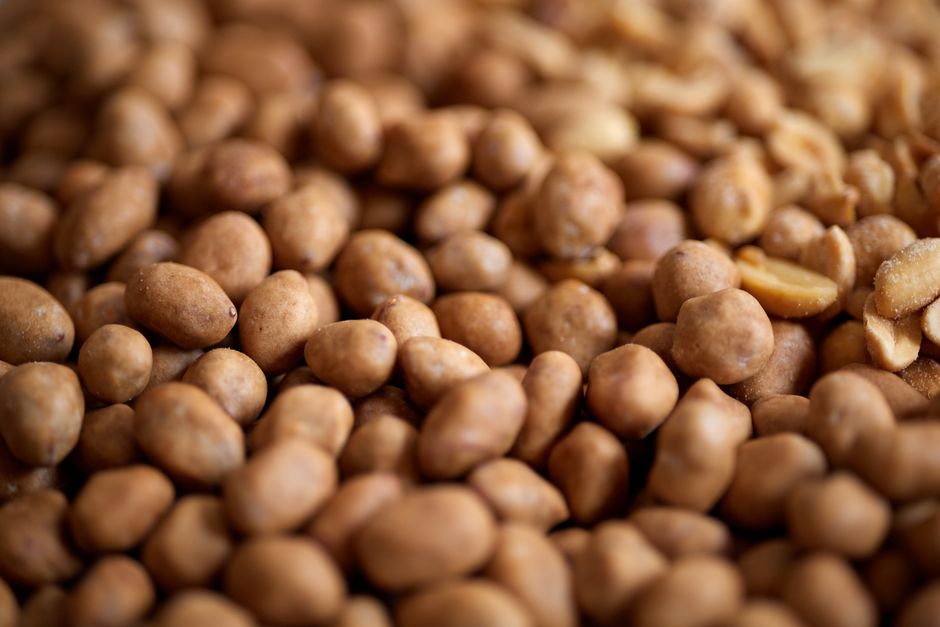
Tihove is the Tsonga cousin of Venda's tshidzimba and Tswana dikgobe: grain, legume and pounded nut, cooked long and eaten with a thin stew. The traditional tool is a wooden mortar that crushes the nuts to a fine powder, and the reason is structural rather than decorative — the groundnut is what makes the samp and the beans hold to one another instead of sitting in the bowl as two separate things. A simpler version leaves the beans out entirely and is still tihove.
Ingredients
Equipment: Large heavy pot, A second saucepan, for the beans, Wooden mortar and pestle, or a food processor
- 3 cups samp (white corn)
- 1 cup dried beans — sugar beans or cowpeas
- 1 litre hot water, plus 2 to 3 litres more during cooking
- 2 cups water, for the beans
- 2.5 ml (1/2 tsp) salt, or to taste
- 125 ml (1/2 cup) raw peanuts, crushed
Method
- Wash the samp and the beans separately. Soak them 15 minutes and skim off any debris that floats.
- Boil the samp in 1 litre of water, adding more as it is absorbed, for about 2 1/2 hours until soft. Taste it often rather than trusting the clock.
- Season the samp with about half a teaspoon of salt.
- At the same time, boil the beans in 2 cups of water until tender.
- Season the beans lightly with salt and set them aside.
- Crush the raw peanuts to a fine powder in a mortar, or grind them in a processor.
- Combine the cooked samp, the beans and the crushed nuts and stir thoroughly — the groundnuts are what bind the samp and the beans together.
- Simmer over very low heat for 30 minutes.
- Serve alongside beef stew with a thin gravy.
Chef Tips
- Soaking the samp in hot water overnight cuts a good chunk off the two and a half hours.
- Cook the beans in their own pot. Beans in with the samp go to mush long before the samp is soft.
- Taste the samp rather than timing it. Samp varies enormously by brand and by age, and two and a half hours is a starting estimate.
- The published version of this recipe calls for beans in four of its steps but leaves them out of the ingredient list altogether. A cup of sugar beans or cowpeas is the sensible reading, and the beanless version is also traditional.
- Crushed, not blended. A fine powder binds; a paste just makes it claggy.
Common Mistakes to Avoid
- Cooking the beans and samp in one pot.
- Under-cooking the samp, which stays chalky rather than creamy.
- Using roasted or salted peanuts.
- Letting the water run dry — keep topping it up through the whole two and a half hours.
- Serving it without a gravy. It is meant to be eaten with something wet.
Nutrition (per serving)
Health Benefits
- Samp, beans and peanuts together form a complete protein.
- High in fibre and slow-release carbohydrate.
- Groundnuts supply monounsaturated fat, niacin and magnesium.
- Contains peanuts — not suitable for anyone with a nut allergy.
Cultural Note
Tsonga food is the least written-down of South Africa's major cuisines, and tihove is one of very few Vatsonga dishes with a properly published recipe. The pattern it shares with tshidzimba and dikgobe — grain, legume, pounded groundnut — runs right across the north of the country and into Mozambique and Zimbabwe, irrespective of language.
Storage & Serving
Storage: Refrigerate up to 3 days.
Reheating: Warm with a splash of water.