 Ghanaian · Main Dishes
🥣 Rice Water
Rice water
Half a cup of rice to four cups of water, simmered until the rice starts to disintegrate, with milk and sugar to taste.
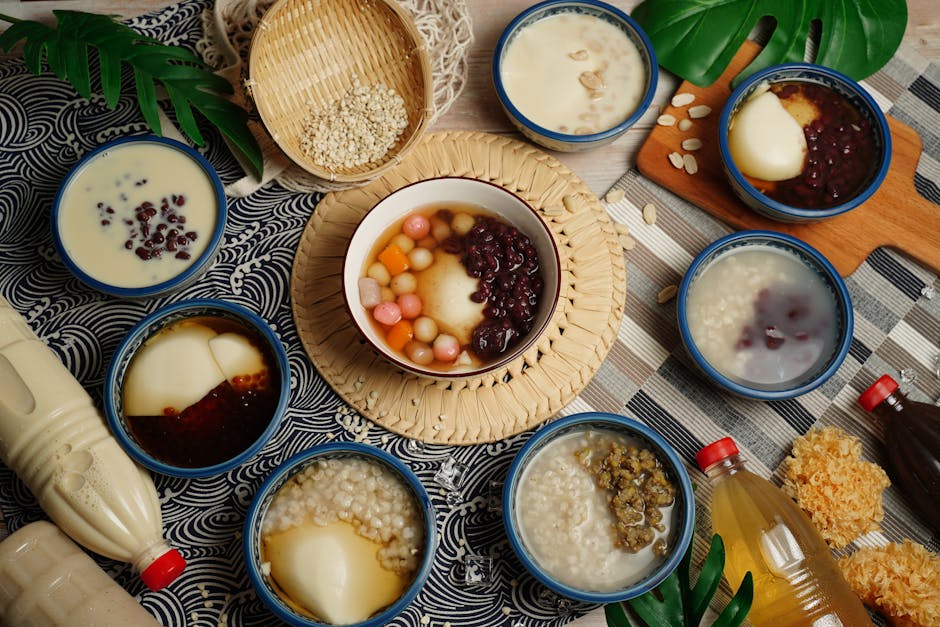
Rice water is Ghanaian breakfast porridge at its simplest: half a cup of white rice to four cups of water with about half a teaspoon of salt, simmered until the grains start to disintegrate. Milk and sugar go in to taste at the table rather than in the pot. It is what children are given before school and what gets made for anyone who is unwell, and it is also the reference texture for iced kenkey — when that recipe says about the consistency of rice water, this is what it means.
Ingredients
Equipment: Saucepan, Wooden spoon, Ladle
- 1/2 cup white rice
- 4 cups water
- About 1/2 tsp salt
To taste, at the table
- Milk
- Sugar
Method
- Rinse the rice.
- Bring the water to the boil with the salt.
- Add the rice.
- Simmer, stirring occasionally, until the rice starts to disintegrate.
- Serve hot, with milk and sugar added to taste.
Chef Tips
- Until the rice starts to disintegrate is the cue, and it is the only one. You want the grains breaking down into the water, not sitting whole in it.
- Eight parts water to one part rice. That is far more water than for cooked rice and it is what makes this a drink-thick porridge rather than a congee.
- Salt in the pot, sugar and milk at the table. Everyone sweetens it differently and the salt is what keeps it from tasting flat.
- Stir occasionally to stop it catching, but it does not need constant attention.
- Evaporated or tinned milk is what is normally used in Ghana, and it suits the texture better than fresh.
- This is the reference texture for iced kenkey — when that recipe asks for the consistency of rice water, make this once and you will know.
- No yield is printed in the source. Half a cup of rice in four cups of water gives roughly four servings.
Common Mistakes to Avoid
- Stopping while the grains are still whole.
- Using a normal rice-to-water ratio.
- Leaving the salt out.
- Sweetening the whole pot.
- Letting it catch on the base, which gives it a scorched taste throughout.
Nutrition (per serving)
Health Benefits
- Very easy to digest, which is why it is given to the young and the unwell.
- Low in calories before milk and sugar.
- Gluten-free and fat-free as cooked.
- Hydrating as well as nourishing.
Cultural Note
Rice water is the first thing many Ghanaian children eat in the morning, bought in a plastic bag from a woman with a cooking pot at the roadside or made at home in a few minutes. It costs almost nothing and it is the quiet backbone of breakfast across the country.
Storage & Serving
Storage: 2 days refrigerated. It thickens considerably and needs letting down.
Reheating: Gentle heat with extra water.
Serve with: Sugar Bread, Bofrot, Koose
Adapted From
- Adapted from 'Recipe #14: Rice water', betumiblog.blogspot.com, 8 September 2009. BYLINE AS PRINTED: 'Fran'. Quantities confirmed across two fetches (TWO-PASS). NO YIELD is printed.
- Ingredients exactly as printed: 1/2 cup white rice; 4 cups water; salt about 1/2 teaspoon; milk and sugar to taste.
- DONENESS CUE, as printed: simmer until the rice 'starts to disintegrate'. That is the only cue on the page and it is the operative one.
- The four servings above is an editorial reading of half a cup of rice in four cups of water, and is labelled as such rather than printed in the source.
- ITS ROLE AS A REFERENCE TEXTURE: the same author's iced kenkey recipe specifies a target of 'about the consistency of rice water', which only makes sense if rice water is a known standard. The two entries are cross-referenced for that reason.
- The milk is left unspecified as to type. Evaporated or tinned milk is the Ghanaian norm and is offered in the tips as practice rather than as the source's instruction.