 South African · Traditional Staples
🫘 Umngqusho
Umngqusho
Stamped maize and sugar beans boiled soft together, then finished in a pot with browned meat bones, curry and tomato — the Xhosa dish that feeds a household from one pot.
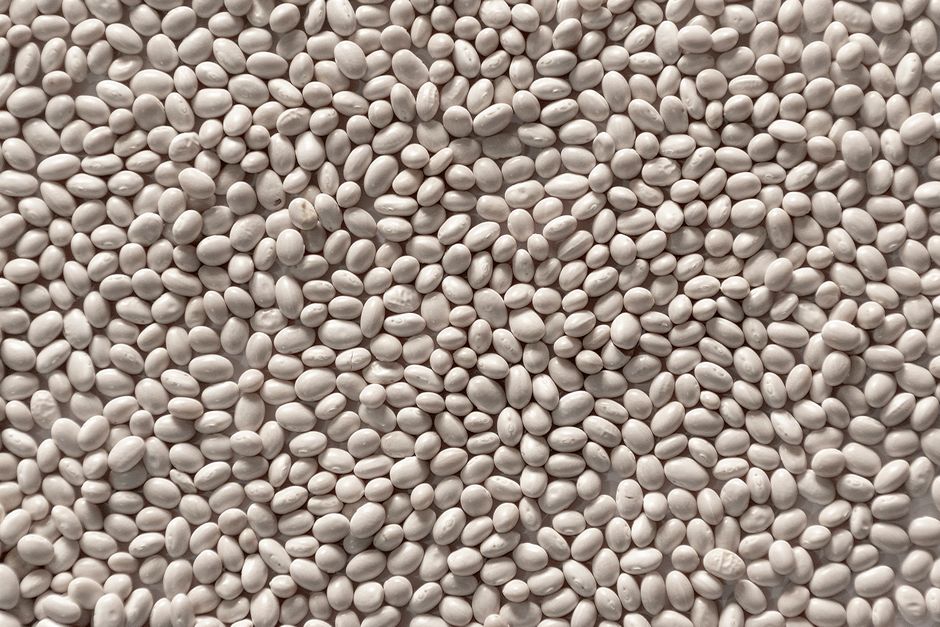
Umngqusho is samp and beans, and in Afrikaans it is simply samp en boontjies, but neither translation carries what the dish means. It is everyday food and celebration food at once, built on two ingredients that need hours and reward them. The bones are the point of the second half: they are not a garnish but the stock, the fat and the flavour all at once. Nelson Mandela named it his favourite dish, which is how most people outside the Eastern Cape first hear of it.
Ingredients
Equipment: Two large heavy pots, Box grater
The base, soaked overnight
- 250 g dry samp (stamped maize)
- 250 g dry sugar beans
The pot
- 500 g meat bones — lamb or beef
- Oil, for frying
- 1 onion, chopped
- 1 tsp garlic, minced
- 1 tsp mild curry powder
- 1/2 tsp ground turmeric
- 1 tsp braai or BBQ spice
- 1 tomato, grated
- 1 large potato, peeled and cubed
- 240 ml (1 cup) chicken stock
- 1 bay leaf
- 1 sprig thyme
- Salt, to taste
Method
- Soak the samp and beans together in plenty of cold water overnight. This is not optional — unsoaked samp will still be chalky after three hours.
- Drain, put them in a large pot, cover generously with cold water and boil for 1 hour, until both have softened. Top up with hot water if the pot runs low.
- In a second pot, heat a little oil and brown the bones all over for about 10 minutes. Take your time here; this is where the depth comes from.
- Add the onion, garlic, curry powder, turmeric and braai spice and fry for a few minutes until fragrant.
- Tip in the cooked samp and beans, the grated tomato, the cubed potato and the stock. Stir to combine.
- Simmer for a further hour. Add the bay leaf and thyme halfway through, about 30 minutes in.
- Check the seasoning and serve, with the bones still in the pot for whoever wants them.
Chef Tips
- Grate the tomato on a box grater rather than chopping it. The skin stays behind in your hand and what goes into the pot is pulp, which melts into the sauce.
- Samp and beans cook at roughly the same rate, which is why they are soaked and boiled together rather than separately.
- The second hour is where it becomes umngqusho rather than boiled samp. Do not shorten it.
- Leftovers are arguably better. It thickens overnight and reheats with a splash of water into something closer to a stew.
Common Mistakes to Avoid
- Skipping the overnight soak, which leaves the samp hard no matter how long you boil it afterwards.
- Adding the bay leaf and thyme at the start, so they give up everything they have in the first twenty minutes.
- Letting the boiling pot run dry, which scorches the starch on the base and taints the whole dish.
- Using boneless meat. The bone is the recipe's stock, and without it the pot is noticeably thinner.
Nutrition (per serving)
Health Benefits
- Samp and beans together form a complete protein, which is why the pairing is nutritionally as well as culturally fixed.
- Very high in dietary fibre and slow-release carbohydrate.
- The bones contribute iron, zinc and collagen to the broth.
Cultural Note
Samp is maize with the hull and germ stamped off, and maize itself is not ancient here — it reached southern Africa on Portuguese ships around 1502 and displaced sorghum and millet as the staple grain. What is old is the technique: stamping, long soaking and the pairing of grain with a pulse, which predates the arrival of maize and simply transferred onto it.
Storage & Serving
Storage: Refrigerate up to 4 days. Freezes well for 3 months.
Reheating: Reheat on the hob with a splash of water, stirring, until loose and hot through.
Serve with: Imifino greens, Chakalaka, Amasi