 South African · Traditional Staples
🍲 Istambu Namathambo
Istambu namathambo
Samp and beans cooked soft on one hob while beef bones build a curry on the other, then brought together for the last ten minutes — the Zulu counterpart to umngqusho, and a labour of love by reputation.
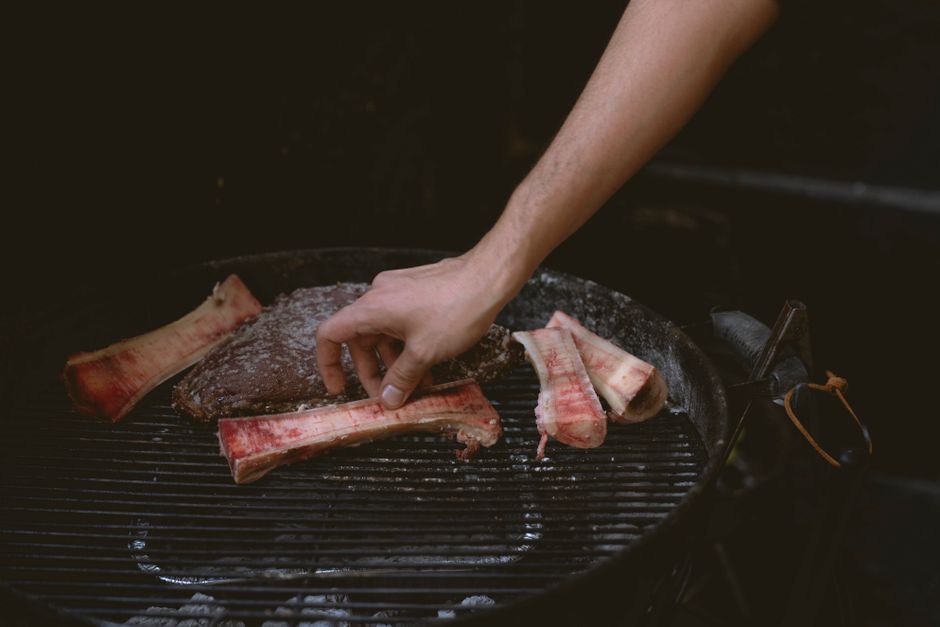
Istambu is samp and beans; namathambo means with bones. The two halves cook separately and meet at the end, and the reason is control: the samp has to be soft but not mushy, and the curry has to reduce by a third, and neither of those happens reliably in one pot. It is a long Sunday dish, the sort that gets made when someone is in a good mood and has the afternoon.
Ingredients
Equipment: Two large heavy pots, Ladle
The istambu
- 200 g samp
- 200 g dried sugar beans
- 1.9 L (8 cups) water
- 1 tsp salt
- 1/2 beef stock pot or 1 stock cube
The bone curry
- 1 kg beef bones
- 2 tbsp oil
- 1 onion, finely chopped
- 2 tsp mild curry powder
- 1 tsp garam masala
- 1/2 green pepper, finely chopped
- 2 medium tomatoes, finely chopped
- 1 beef stock cube
- 950 ml (4 cups) water
Method
- Soak the samp and the beans together in 2 cups of water for 2 to 3 hours, or overnight if you can.
- Drain, put them in a saucepan with the salt, the stock pot and the remaining water, bring to the boil, then reduce to a simmer.
- Cook until soft but not mushy — the grains should still have their shape. This takes an hour and a half or more.
- Meanwhile, heat the oil in a large pot and sauté the onion until soft and lightly browned.
- Add the curry powder and garam masala and cook for 1 minute.
- Add the green pepper and cook until soft. Add the beef bones and turn them through the onion and pepper, cooking for 5 minutes.
- Add the chopped tomatoes and the stock cube and cook until the tomatoes have collapsed.
- Pour in the water and cook for 1 hour, or until the liquid has reduced by a third.
- Add the cooked samp and beans to the curry and simmer together for 10 minutes before serving.
Chef Tips
- Soft but not mushy is the instruction for the samp, and it is the harder half of this dish. Start tasting at an hour and a quarter.
- Reduced by a third is the instruction for the curry. Mark the level on your spoon handle if you cannot judge it by eye.
- The two halves genuinely do need separate pots. Cooked together, the samp thickens the curry before the bones have given anything up.
- Overnight soaking rather than three hours makes the samp cook more evenly, and shortens the boil by twenty minutes or so.
Common Mistakes to Avoid
- Cooking the samp to mush, after which the finished dish is a paste.
- Not reducing the curry, leaving the whole pot thin and watery once the samp goes in.
- Combining them early and simmering for an hour, which loses the distinction between the two halves.
- Using boneless beef. The marrow and the collagen in the bones are what make it namathambo.
Nutrition (per serving)
Health Benefits
- Samp and beans together provide a complete protein.
- Very high in fibre and slow-release carbohydrate.
- Beef bones contribute iron, zinc and collagen.
Cultural Note
Istambu and umngqusho are the same dish in two languages, and both are Sunday and celebration food as much as everyday food. The pattern — a grain, a pulse and whatever bones the household has — is older than the maize it is now made with.
Storage & Serving
Storage: Refrigerate up to 4 days. Freezes well for 3 months.
Reheating: Reheat on the hob with a splash of water, stirring gently so the samp does not break up.