 South African · Bread
🍞 Isonka Samanzi
Isonka samanzi — umbhako
Bread steamed in a covered bowl standing in a pot of water rather than baked — no crust at all, which is exactly why it is the bread you want for mopping up a stew.
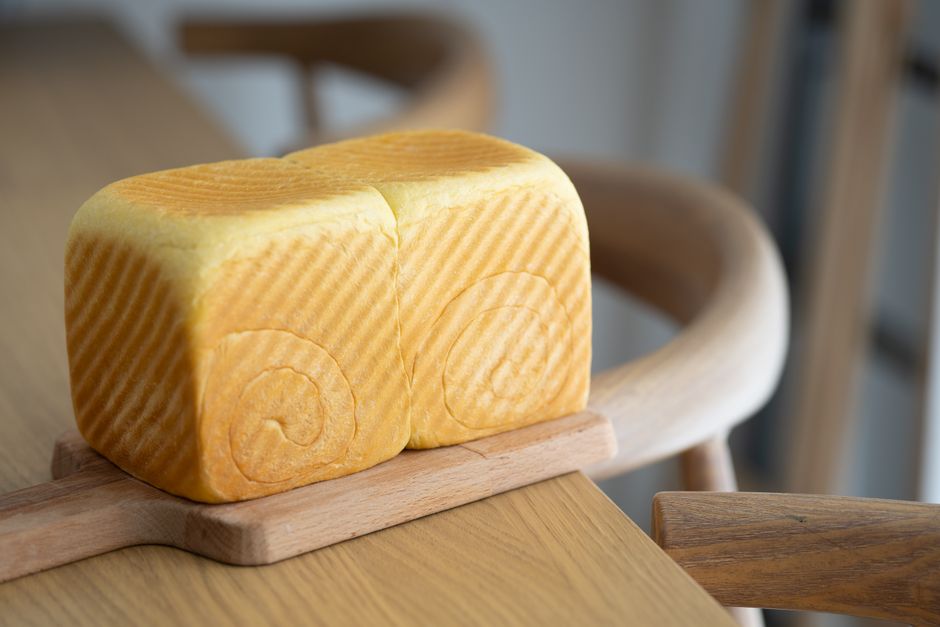
Isonka samanzi means bread of water, and the name is the method. A risen dough goes into a bowl, the bowl stands in a pot of boiling water, the whole thing is sealed with foil, and forty minutes of steam does what an oven would. What comes out has no crust anywhere, which makes it the ideal partner for anything with gravy. It is also the answer to a kitchen with no oven, which is how most of the country cooked for most of its history.
Ingredients
Equipment: Large mixing bowl, Metal or enamel bowl that fits inside your largest pot, Greaseproof paper, Aluminium foil, Oven mitts
- 1 kg cake flour, plus extra for dusting
- 10 g instant dry yeast
- 2 tbsp salt
- 2 1/2 tbsp brown sugar
- 2 1/2 tbsp vegetable oil
- 830 ml (3 1/2 cups) lukewarm water
For steaming
- 1.4 L (6 cups) water, for the pot
Method
- Put the flour, yeast, salt and sugar in a bowl and make a well in the centre. Add the oil, then add the lukewarm water gradually — slowly, so the dough does not end up too wet.
- Knead in the bowl for 5 to 10 minutes, until it stops being sticky and becomes workable.
- Roll it into a ball, return it to the bowl, cover, and leave somewhere warm until doubled in size.
- Knock the dough down and reshape it into a ball.
- Line the metal or enamel bowl with greaseproof paper and put the dough in.
- Pour the 6 cups of water into your largest saucepan and stand the bowl in it. Cover the whole pot with foil, sealing the edges tightly.
- Bring the water to the boil and steam for 35 to 40 minutes. Check occasionally that the water has not boiled away.
- Uncover carefully — the steam is fierce — and lift the bowl out with oven mitts or a dry tea towel. Cool slightly, turn out, slice and serve warm.
Chef Tips
- Add the water gradually. A dough that goes in too wet will steam into something closer to a dumpling than a loaf.
- Seal the foil properly right around the rim of the pot. Escaping steam is escaping heat, and the loaf will be dense in the middle.
- Keep an eye on the water level. A pot that boils dry will burn, and the loaf stops cooking.
- Two tablespoons of salt in a kilo of flour is on the assertive side, which suits a bread eaten with plain stew. Cut it to one if you are eating it with butter and jam.
Common Mistakes to Avoid
- A dough that is too wet, from adding all the water at once.
- Leaving gaps in the foil seal, which lets the steam out and undercooks the centre.
- Letting the steaming water boil dry.
- Lifting the foil off towards your face. The steam released is hot enough to scald.
Nutrition (per serving)
Health Benefits
- Steamed rather than baked, so no fat is needed beyond the little in the dough.
- Dairy-free and egg-free as written.
- Substantial enough to make a meal of a bowl of stew.
Cultural Note
Steamed and pot-baked breads are the breads of a country where ovens were rare. Isonka samanzi in isiXhosa, ujeqe in isiZulu, potbrood in Afrikaans — three traditions, three languages, one solution to the same problem, and all three are still made by choice rather than necessity.
Storage & Serving
Storage: Wrapped, at room temperature 2 days. Freezes well for a month.
Reheating: Steam again briefly, or warm slices in a dry pan.
Serve with: Amanqina, Istambu namathambo, Butter and apricot jam